Choosing the wrong technology partner can cost you months of delays, a bloated budget, and a product that doesn’t actually solve your business problem. That’s why picking the right one of the many software development companies available today is one of the most important decisions a founder, product manager, or IT leader will make.
If you’re asking “how do I choose the right software development company,” the short answer is this: define your requirements clearly, evaluate technical expertise and relevant experience, confirm communication and project management practices, compare pricing models honestly, and check real evidence of past work before signing anything.
The rest of this guide breaks that process down step by step, so you can move from “we need a development partner” to “we found the right one” with confidence.
What Does a Software Development Company Actually Do?
A software development company designs, builds, tests, and often maintains custom software, mobile apps, or web platforms for other businesses. Depending on the provider, services can include:
- Custom software development
- Web application development
- Mobile app development (iOS, Android, cross-platform)
- UI/UX design
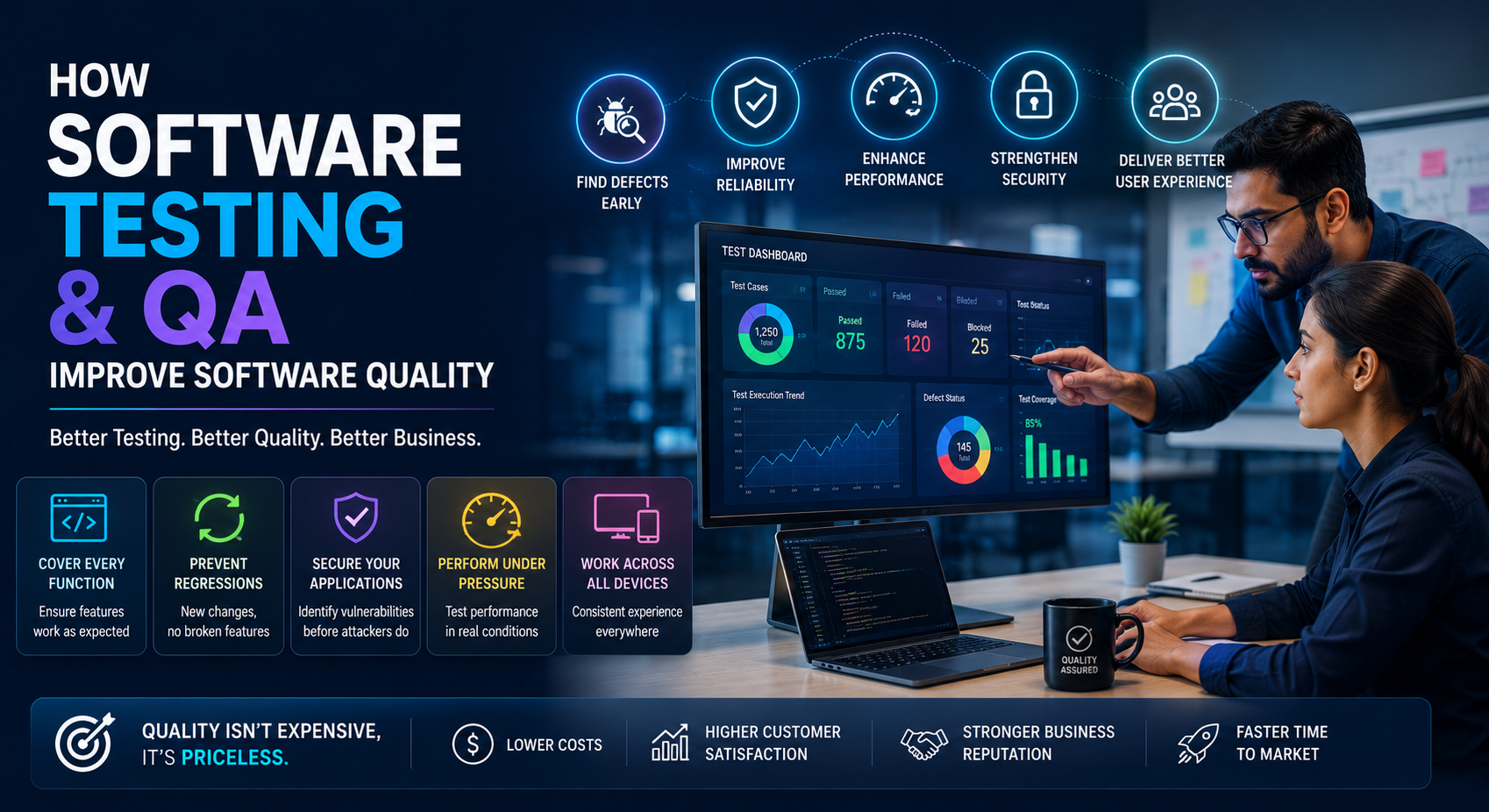
- Quality assurance and testing
- Cloud infrastructure and DevOps
- Ongoing maintenance and support
Some companies specialize narrowly (for example, only mobile apps), while others offer full-cycle services from discovery to deployment. Understanding this range matters because it directly affects which type of company fits your project.
Signs You Need to Hire a Software Development Company
Not every business needs external development help. It’s usually time to look at software development companies when:
- You need custom software that off-the-shelf tools can’t provide.
- Your in-house team lacks the specific technical skills required.
- You want to launch faster than your internal team’s current capacity allows.
- You need a scalable, secure product built by experienced engineers.
- Your existing software needs significant redevelopment or modernization.
If any of these apply, the next step is understanding how to evaluate the options in front of you.
How to Choose the Right Software Development Company
1. Define Your Project Requirements First
Before contacting anyone, write down what you actually need. This should include:
- The type of product (web app, mobile app, internal tool, SaaS platform, etc.)
- Core features and functionality
- Target users
- Rough budget range
- Timeline expectations
- Any compliance or security requirements (healthcare, finance, etc.)
A clear brief helps companies give you accurate estimates and helps you compare quotes on equal terms.
2. Decide Between Freelancers, In-House Teams, and Agencies
Each option has trade-offs:
| Option | Best For | Trade-offs |
|---|---|---|
| Freelancers | Small, simple projects with limited budget | Less structure, single point of failure |
| In-house team | Long-term, core products central to your business | High cost, slower to scale up or down |
| Software development company | Mid-to-large projects needing structured delivery | Requires vetting; cost varies by region and expertise |
For most businesses building a serious product, a dedicated software development company offers the best balance of expertise, accountability, and scalability.
3. Evaluate Technical Expertise and Portfolio
Look for evidence that a company can actually do what they claim:
- Case studies relevant to your industry or project type
- A portfolio showing similar complexity or scale
- Technologies and frameworks that match your project’s needs
- Certifications or partnerships with platforms like AWS, Microsoft, or Google Cloud, where relevant
Ask to see specific examples tied to your use case rather than a generic list of past clients.
4. Check Industry Experience
A company that has already built products in your industry will understand your users, regulations, and common technical challenges faster than a generalist team. This is especially important in regulated industries like healthcare, finance, or logistics.
5. Review Communication and Project Management Process
Development delays often come down to poor communication, not poor coding. Ask potential partners:
- What project management methodology do they use (Agile, Scrum, Waterfall)?
- How often will you receive updates or demos?
- Who will be your main point of contact?
- What tools do they use for tracking progress (Jira, Trello, Asana, etc.)?
A company with a clear, consistent communication process is far less likely to cause surprises later.
6. Compare Pricing Models
Understanding how software development companies charge helps you avoid budget surprises.
| Pricing Model | How It Works | Best For |
|---|---|---|
| Fixed price | One agreed price for defined scope | Well-defined, smaller projects |
| Time and materials | Billed based on hours/resources used | Projects with evolving requirements |
| Dedicated team | Monthly rate for a dedicated team | Long-term or ongoing development |
Avoid choosing purely on lowest price. Instead, compare value: what’s included, how change requests are handled, and what happens if timelines shift.
7. Check Reviews, References, and Case Studies
Look beyond the company’s own website. Ask for direct references you can speak with, and look for independent reviews or verified case studies. Platforms like GoFirms let businesses research and compare software development companies based on their services, focus areas, and profiles, which can be a useful starting point when narrowing down candidates before deeper vetting.
8. Assess Post-Launch Support and Maintenance
Software isn’t “done” at launch. Ask how the company handles:
- Bug fixes after release
- Ongoing feature development
- Security updates and patches
- Scaling support as user numbers grow
A partner who offers structured post-launch support is generally a safer long-term choice than one focused only on delivery.
Red Flags to Watch Out For
Be cautious if a software development company:
- Refuses to share references or past work
- Gives vague answers about their development process
- Promises unrealistically low prices or timelines
- Has poor or inconsistent communication during early conversations
- Avoids putting scope, cost, or timelines in writing
Questions to Ask Before Signing a Contract
- What is included in the quoted price, and what isn’t?
- Who owns the code and intellectual property after completion?
- What is the process for handling scope changes?
- How are bugs or issues after launch handled?
- Can we speak with a past client in a similar industry?
Getting clear answers to these questions in writing protects you from misunderstandings later.
How GoFirms Can Help You Find the Right Software Development Company
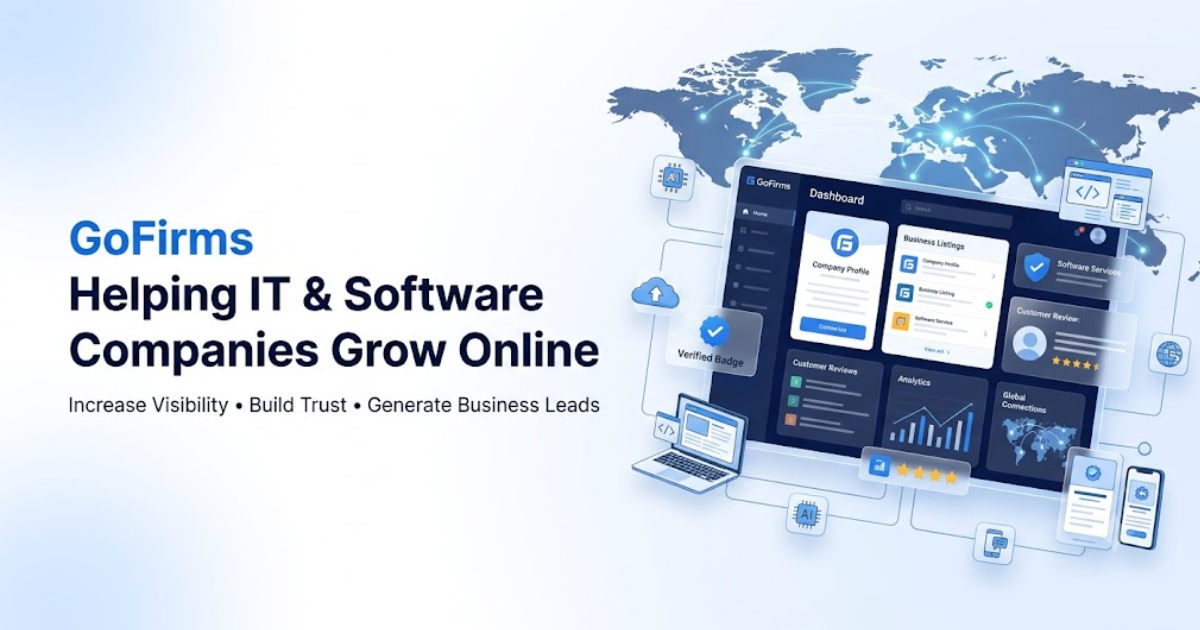
Researching and comparing software development companies manually can be time-consuming, especially when evaluating multiple providers across different specialties and regions. GoFirms is designed to help businesses discover, research, and compare technology and service providers, including software development companies, web and mobile app developers, and UI/UX agencies, in one place. This can make it easier to shortlist companies that align with your project requirements before you begin detailed vetting and interviews.
Frequently Asked Questions
How much does it cost to hire a software development company? Costs vary widely based on project scope, team location, and pricing model. Fixed-price projects suit well-defined work, while time-and-materials or dedicated team models fit projects with evolving requirements. Request detailed quotes from a few companies to compare accurately for your specific project.
How long does custom software development usually take? Timelines depend on complexity. A simple app may take a few months, while a large-scale platform can take six months to a year or more. A clear project brief and defined milestones help set realistic expectations early.
Should I choose a local or offshore software development company? Both can work well. Local companies may offer easier time-zone alignment and in-person meetings, while offshore companies can offer cost efficiency. The right choice depends on your budget, communication preferences, and project complexity.
What’s the difference between a software development company and a freelancer? A software development company typically offers a structured team, project management, quality assurance, and accountability, while freelancers work independently. Companies are generally better suited to larger or long-term projects.
How do I know if a software development company is trustworthy? Check their portfolio, ask for references, review their communication process, and confirm clear contract terms covering ownership, scope, and support. Independent research platforms can also help verify a company’s background before you commit.
Do software development companies offer ongoing support after launch? Many do, but not all. Confirm during initial discussions whether maintenance, bug fixes, and future feature development are included or offered as a separate service.
What information should I prepare before contacting a software development company? Prepare a project brief covering your goals, target users, must-have features, budget range, and timeline. This helps companies give accurate, comparable proposals.
Conclusion
Choosing the right software development company comes down to clarity and due diligence: know what you need, evaluate real evidence of expertise, understand how communication and pricing will work, and confirm support after launch. Rushing this decision is one of the most common reasons software projects fail to deliver value.
Take the time to compare a few well-matched software development companies rather than settling for the first option you find. Platforms like GoFirms can support that research process by helping you discover and compare relevant providers as part of a broader, more informed vetting process.