You find a phone listed at a price that seems too good to be true. The photos look neat. The seller says he is in the army and is being transferred, so he is selling quickly. He asks for a small advance to “book” the phone and promises to courier it.
You hesitate. Something does not feel right.
That instinct is worth listening to. Knowing how to avoid fake listings is one of the most useful skills for anyone buying second-hand products online. A little care can save you money, time and stress.
This blog explains how fake listings usually work, which warning signs to look for and how to deal with local sellers safely. It also shares how we think about this at Sympl, a free classifieds website for local buyers and sellers.
Understanding the Core Problem: What Are Fake Listings?
A fake listing is an ad that looks genuine but is not. The seller may not own the item, may not plan to deliver it or may be hiding serious faults.
Common types include:
- Advance payment traps: The seller asks for money first and then disappears.
- Copied photos: Pictures taken from the internet, not of the real item.
- Too-good prices: A price far below normal, meant to create urgency.
- Story-based pressure: Emotional reasons such as transfers, emergencies or leaving the country.
- Misleading condition: The item arrives damaged, older or different from what was shown.
Phones, laptops, bikes, cameras and furniture are the usual targets, since they are in high demand.
What Problem Does Local Buying and Selling Solve?
Most fake listings depend on distance. The seller is far away, the buyer cannot see the item and money moves before the deal is complete.
Local buying and selling removes much of this risk. When the seller lives in your city, you can meet, see the item and test it before you pay. It is hard for a fake listing to survive a face-to-face meeting.
This is one of the quiet advantages of keeping deals nearby.
Warning Signs of a Fake Listing
Here are the signs that should make you slow down.
1. The Price Is Too Low
A used phone listed at half the usual price is a warning. Genuine sellers know what their items are worth. If the price looks unrealistic, ask yourself why.
2. The Seller Asks for Advance Money
Be careful if someone asks for a token amount, a “booking fee” or a delivery charge before you have seen the item. This is among the most common tricks.
3. The Seller Avoids Meeting
If the seller always has a reason why you cannot meet or see the item, treat it as a red flag. Genuine sellers are usually comfortable with a short meeting.
4. Photos Look Too Perfect or Repeat
Stock-style photos, photos with watermarks or images that appear in many other ads are suspicious. Ask for a new photo, such as the item with today’s newspaper or a small note next to it.
5. The Description Is Vague
Ads with no model, age or condition, or with copied text, may be fake. Real sellers usually give some specific details.
6. There Is Pressure to Decide Quickly
Messages such as “many buyers are waiting, pay now” are meant to rush you. A genuine seller will give you time to check.
7. The Seller Wants to Move the Chat Elsewhere Quickly
Be careful if the seller pushes you to share personal details, click on links or switch to unknown apps right away.
8. Strange Payment Requests
Do not accept requests to scan unknown QR codes, share OTPs or approve payment requests. When buying, you only need to send money. You should never need to approve “receiving” money.
Practical Guidance: How to Buy Second-Hand Safely
Follow a few simple steps, and most risks go away.
Before You Meet
- Ask for several clear photos from different angles
- Ask for the exact model, age and reason for selling
- For phones, ask for the IMEI number and the bill if available
- For bikes, ask about the registration papers and service history
- Compare the price with similar listings nearby
- Speak to the seller on a call, not only by chat
When You Meet
- Choose a public, busy place, such as a mall, cafe or main market
- Take a friend or family member along
- Check the item carefully before paying
- Make sure it matches the photos and description
- Test it, such as switching on a phone, laptop or appliance
When You Pay
- Pay only after you have seen and tested the item
- Prefer UPI or cash at the time of the meeting
- Avoid paying advance amounts to people you have not met
- Keep a screenshot or receipt of the payment
- Ask for a simple handwritten note or message confirming the sale for expensive items
Real-Life Examples: Checking Common Items
Different items need different checks.
- Phones: Check the screen, battery, camera and buttons. Verify that the IMEI matches the box or bill, and make sure the phone is not locked to someone else’s account.
- Bikes and scooters: Match the registration papers with the vehicle, check the engine and chassis numbers, and ask about insurance and pending challans.
- Furniture: Check for damage, damp, insects and loose joints, as photos can hide these.
- Appliances: Switch them on and run them for a few minutes. Ask about the age and remaining warranty.
- Daily-use items: Cycles, books and kitchen items are low-risk, but still worth inspecting in person.
What Sellers Can Do to Build Trust
Honest sellers also suffer from fake listings, because buyers become cautious. A few habits help genuine ads stand out.
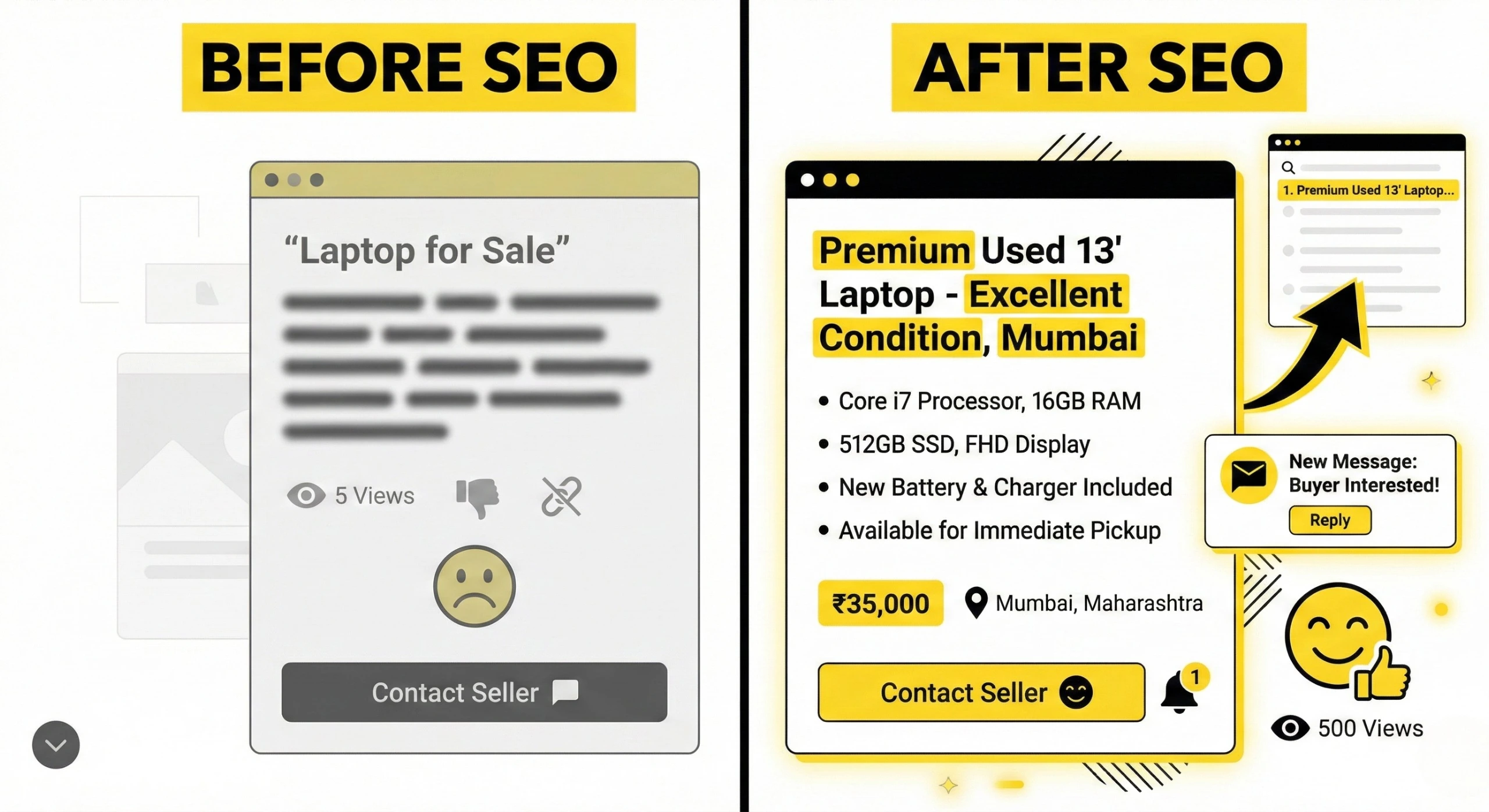
- Use your own photos, taken in natural light
- Write a clear, specific title and description
- Mention defects openly
- Share the reason for selling
- Be comfortable meeting in a public place
- Reply politely and promptly
When both sides act openly, deals become easier.
How Simple Local Classifieds Make This Easier
Simple classifieds support safer deals because they keep things short and nearby.
Direct Buyer–Seller Interaction
You can speak to the seller yourself, ask questions and judge how genuine they sound. Direct conversation often reveals more than a listing page.
Fewer Steps
You search, you talk, you meet. With fewer steps and fewer middle layers, there are fewer places for a scam to hide.
Faster Responses
Genuine local sellers usually reply quickly and are ready to meet within a day or two. Long delays and excuses are a signal to be careful.
How Sympl Supports Safer Local Deals
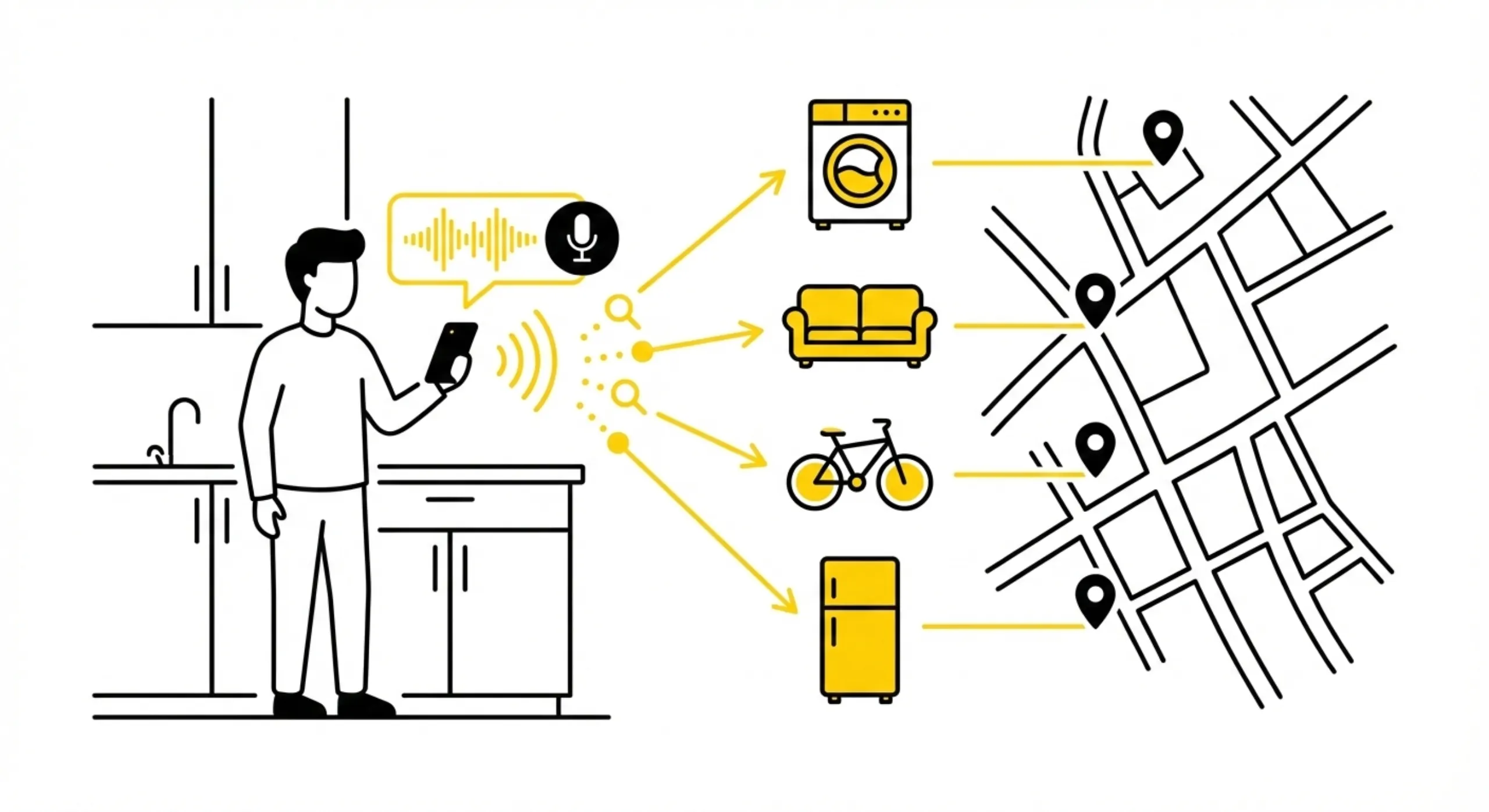
Sympl is a simple classifieds website for people who want to buy and sell locally. Listings are meant for people in your area, so meeting in person is the natural way to complete a deal.
- Posting an ad is quick and free
- Buyers and sellers talk directly
- Local listings make in-person checks practical
- The layout is plain, so details are easy to read
No platform can remove all risk. Careful checks and common sense remain the best protection, whichever site you use.
Cost and Time Benefits of Avoiding Fake Listings
A little care saves a lot.
Money Saved
- You avoid losing money to advance payment traps
- You avoid paying for items with hidden faults
- No shipping or delivery charges for local deals
- No commission taken from the sale
This keeps low-cost buying safe and genuinely low-cost.
Time Saved
- Fewer wasted visits to unreliable sellers
- Less time chasing refunds or complaints
- Faster, more confident decisions
Checking things early is always quicker than fixing a bad deal later.
If You Think You Have Met a Fake Listing
If you suspect a listing is fake, a few steps help.
- Stop all communication and do not send any more money
- Report the ad on the platform you used
- Keep screenshots of the chats, the ad and any payment details
- If you have lost money, contact your bank or UPI app immediately
- You can also report online financial fraud at cybercrime.gov.in or call the national helpline 1930
Acting quickly gives you a better chance of limiting the loss.
Who Is This Most Useful For?
Knowing how to spot fake listings helps many kinds of people.
- Students: Buying laptops, phones and cycles on a tight budget, where a mistake hurts more.
- Families: Buying furniture, appliances and kids’ items with confidence.
- Working professionals: Buying or selling quickly without getting caught up in scams.
- First-time buyers and sellers: A simple checklist removes the fear of the unknown.
- Anyone who prefers direct dealing: Meeting and checking in person is the surest way to avoid surprises.
Common Mistakes to Avoid
A few small errors lead to most losses.
- Paying an advance to someone you have not met
- Trusting a price that is far below the usual rate
- Skipping the item check because the seller seems friendly
- Ignoring mismatched photos or details
- Sharing OTPs, card details or banking passwords
- Meeting alone at a quiet place
Avoiding these keeps most deals safe.
Conclusion
Most second-hand deals are honest and uneventful. A few simple habits help you stay on the safe side: ask questions, meet in person, check the item and pay only after you are satisfied.
When local buyers and sellers deal directly, trust builds naturally. You save money, save time and avoid unpleasant surprises.
That is the thinking behind Sympl as well: keep things plain, local and easy to follow. If a deal feels uncomfortable, it is always fine to walk away.