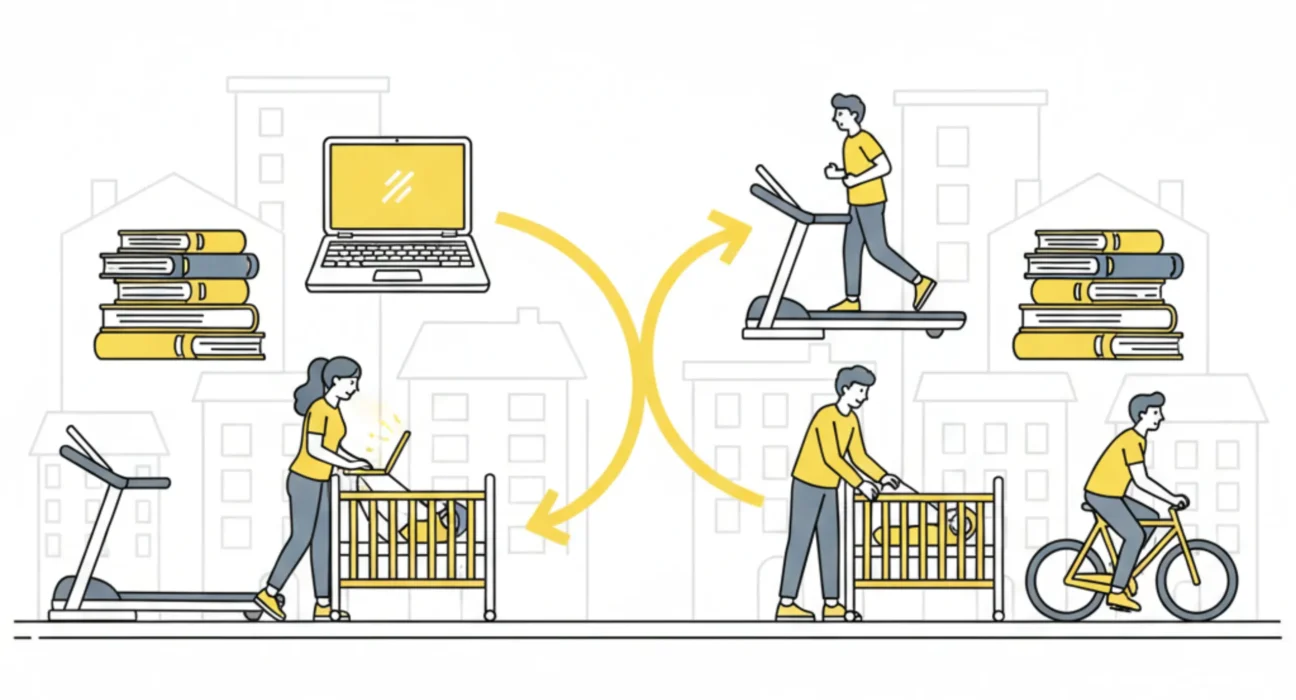
You bought a treadmill three years ago with big fitness plans. It’s been sitting unused for two years, taking up space in your bedroom.
Meanwhile, someone in your neighborhood wants to start exercising but can’t justify spending ₹40,000 on a new treadmill they might not use regularly.
Between you—someone with an unused item and then someone who needs it stands a simple opportunity. Sell it locally, they get what they need affordably, you free up space and recover money, and a perfectly good product continues being useful instead of gathering dust.
This is smarter consumption. Not buying less or living with less, but using what already exists more efficiently.
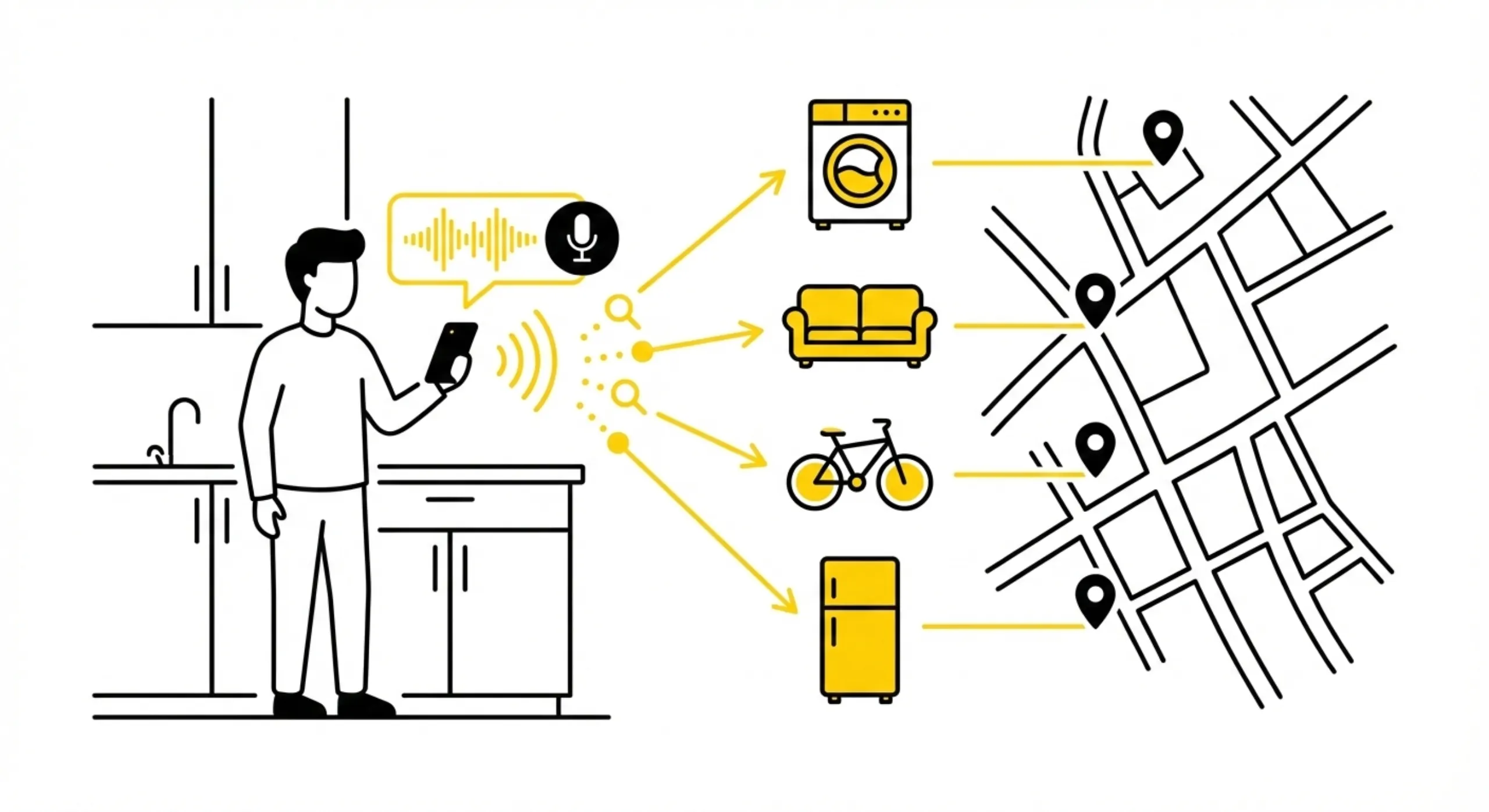
Platforms like Sympl enable this by making it easy to buy and sell locally. When connecting with nearby buyers and sellers is simple, items circulate through communities instead of sitting idle or ending up in landfills.
The Problem with How We Currently Consume
Most people own things they don’t use.
The extra phone in the drawer. The bike that doesn’t fit anymore. The baby furniture after children outgrow it. The textbooks from last semester. The mixer you upgraded from.
All functional. All unused. All taking up space.
At the same time, other people need these exact items but can’t afford or don’t want to buy them new.
The waste is obvious
Functional items sit unused while new ones get manufactured to meet demand that existing products could satisfy.
The financial loss is real
Items you paid for lose value sitting idle instead of being sold when they still have worth.
The space cost matters
Unused items occupy storage that could serve better purposes.
The barrier is friction
Selling feels complicated. Where do you list? Who will buy it? How do you coordinate? It’s easier to just leave things in storage.
This disconnect between people who have and people who need represents consumption inefficiency that costs everyone money and creates unnecessary waste.
What Smarter Consumption Actually Means
It’s not about minimalism or deprivation. It’s about items being used fully.
Maximum utility from existing products
Every item gets used for its entire functional life, not just by its first owner.
Right-sizing purchases
Buy what you actually need, knowing you can sell it when circumstances change.
Reduced new production demand
When existing items meet needs, fewer new products need manufacturing.
Better financial outcomes
Both buyers and sellers benefit one saves money, the other recovers value.
Space optimization
Homes stay functional instead of becoming storage for unused items.
Community resource sharing
Neighborhoods develop informal systems where items circulate to whoever needs them.
This happens naturally when local buying and selling is easy.
Real-Life Examples of Smarter Local Consumption
Student lifecycle
Priya bought textbooks second-hand from a senior for ₹3,000. After her exams, she sold them to a junior for ₹2,500. She effectively used the books for ₹500. The next student will do the same. Three students use the same books, spending far less than buying new.
Family furniture rotation
The Mehtas bought a crib when their daughter was born. Used it for two years, then sold it locally to another new parent for half what they paid. That family will use it and sell it again. One crib serves multiple families instead of each buying new.
Professional tech upgrades
Amit upgrades his laptop every three years for work. He sells the previous one locally for half the original price. His upgrade cost is effectively halved. The buyer gets a quality laptop they couldn’t afford new. The old laptop continues working productively for years.
Exercise equipment sharing
Neha bought a yoga mat and weights, used them for six months, then switched to a gym. She sold them to her neighbor who was starting home workouts. The equipment stays useful. Both women paid only for the period they needed it.
These aren’t isolated cases. This is how consumption works when local exchange is frictionless.
How Local Platforms Enable Efficiency
When you can easily sell items fast through simple classifieds, consumption patterns change.
Lower barriers to selling
List in minutes, reach nearby buyers, complete transactions quickly. The effort required drops below the threshold where people just give up.
Immediate local demand
Items find buyers in the same neighborhood who can use them now, not nationwide buyers who might never actually purchase.
Quick turnover
Fast sales mean you don’t hold onto items long after you stop using them. They move to people who need them while they’re still valuable.
Fair pricing through proximity
Local transactions create transparent markets where both parties can see what similar items cost.
Trust through verification
Buyers inspect before purchasing, reducing the risk that makes people hesitant to buy used.
No complicated logistics
Local pickup eliminates shipping, packaging, and coordination that makes selling feel burdensome.
Platforms like Sympl succeed because they remove the friction that keeps perfectly good items from circulating.
The Financial Impact of Local Circulation
Smarter consumption saves money for everyone involved.
Sellers recover value
Instead of items losing all value in storage, selling recovers a significant portion of original cost.
Buyers access affordability
Second-hand items cost far less than new while delivering the same functionality.
Reduced total spending
When communities share resources through buying and selling, overall expenditure on goods decreases.
Better quality within budget
Buying used premium items beats buying new budget items. The same money gets better products.
Lower cost of trying new things
Buying used equipment to test hobbies costs less if you decide it’s not for you.
For low-cost buying, this ecosystem creates access to goods that would otherwise be financially out of reach.
Environmental Benefits Happen Naturally
The environmental impact is a side effect, not the primary motivation—but it’s real.
Extended product lifecycles
Items get used for their full functional life instead of being discarded prematurely.
Reduced manufacturing demand
Every second-hand purchase is one less new item that needs producing.
Less waste generation
Functional items stay in use instead of entering landfills.
Lower shipping emissions
Local transactions eliminate the carbon footprint of nationwide courier delivery.
No packaging waste
In-person exchange requires no boxes, bubble wrap, or plastic padding.
These benefits emerge automatically when people buy and sell locally for practical reasons saving money and accessing what they need.
Who Benefits From Smarter Local Consumption
Students
Constantly cycling through textbooks, electronics, and furniture as needs change. Buying and selling locally makes this affordable.
Families with children
Kids outgrow clothes, toys, and equipment rapidly. Buying used and reselling when done makes parenting less expensive.
Working professionals
Frequent relocations or tech upgrades. Selling old items locally before buying new reduces overall cost.
Retirees downsizing
Moving to smaller homes means selling furniture and possessions. Local buyers make this practical.
First-time homeowners
Furnishing homes on a budget. Buying used items locally makes setting up affordable.
Anyone conscious of spending
People who think about money appreciate the financial efficiency of local buying and selling.
Anyone whose needs change over time benefits from easy access to local exchange.
How Neighborhoods Become Resource Networks
When local buying and selling is common, communities develop informal sharing systems.
Known demand patterns
Residential societies know that young families need children’s items, students need textbooks, and professionals need furniture.
Trust through proximity
Repeated transactions with neighbors build relationships and reliability.
Word-of-mouth circulation
“I’m selling a study table” spreads through social WhatsApp groups, finding buyers quickly.
Seasonal patterns emerge
Before academic years, textbook exchange peaks. Before holidays, gift items circulate.
Community standards develop
Fair pricing and honest descriptions become norms maintained through local reputation.
This organic resource network functions without formal organization just easy platforms connecting local buyers and sellers.
Cost and Time Efficiency
Smarter consumption through local exchange saves both money and time.
No shipping costs
Local pickup eliminates delivery charges that can add significantly to purchase price.
Faster transactions
Nearby buyers respond quickly. Sales complete in days instead of weeks.
Less research needed
Inspect in person rather than spending hours researching online reviews and specifications.
Simplified pricing
See what neighbors are charging for similar items. Fair market prices emerge naturally.
Reduced storage costs
Selling unused items frees space instead of paying for additional storage.
Lower total ownership cost
Buying used and reselling later means paying only for the period you actually use something.
These efficiencies make local transactions attractive beyond just the headline price savings.
Breaking the “New Is Better” Mindset
Smarter consumption requires questioning assumptions about new purchases.
Functionality matters more than newness
A one-year-old laptop works as well as a new one for most tasks.
Initial depreciation is someone else’s loss
Let the first owner absorb the value drop. Buy when price reflects actual utility.
Quality beats novelty
Used premium brands often outlast and outperform new budget alternatives.
Needs are often temporary
If you’ll only use something for a year, buying new makes little sense.
Verification is possible
Meeting locally lets you confirm conditions before purchase, removing the risk that made people avoid used items.
When platforms make inspection and verification easy, the perceived safety advantage of new items disappears.
What Happens When Consumption Gets Smarter
The aggregate effects of local buying and selling create broader changes.
Affordability increases
More people access goods they need without stretching budgets.
Waste decreases
Functional items stay in use instead of being discarded or forgotten in storage.
Community connections strengthen
Transactions create interactions between neighbors who might not otherwise meet.
Purchasing becomes more intentional
Knowing you can sell items later makes people more thoughtful about what they buy.
Financial flexibility improves
Recovered value from sold items provides funds for other needs or upgrades.
These outcomes emerge naturally from simple platforms that make local exchange easy.
Simple Classifieds Enable Smart Consumption
Complex marketplaces add friction. Simple classifieds remove it.
Quick listing
Post items in minutes when you realize you’re not using them anymore.
Local focus
Reach people nearby who can actually complete transactions.
Direct communication
Talk to buyers immediately, answer questions, and schedule meetups without delay.
No forced features
Platforms that don’t complicate transactions with unnecessary features make participation easier.
Fair pricing
Transparent local markets help both parties arrive at reasonable prices.
When platforms like Sympl keep things straightforward, more people participate, and the circular economy strengthens.
When Buying New Still Makes Sense
Smarter consumption doesn’t mean never buying new.
Latest technology required
When specific new features are essential for your work or needs.
Warranty coverage important
Electronics or appliances where guarantee protection matters.
No used availability
Newly released products or niche items that don’t appear second-hand.
Hygiene critical
Personal care items or things where cleanliness can’t be adequately verified.
Long-term investment
Items you’ll use for decades and want to choose precisely.
The point isn’t to eliminate new purchases. It’s to make them intentional rather than automatic.
The Cycle of Smart Consumption
Local buying and selling creates a virtuous cycle.
Buy what you need second-hand → Use it fully → Sell when circumstances change → Someone else uses it → Everyone spends less → Resources get maximized → Less waste generated → Communities benefit.
This cycle functions smoothly when platforms make local transactions easy.
Each person participating improves outcomes for everyone else. More sellers mean better selection for buyers. More buyers mean faster sales for sellers. The network effects strengthen the entire system.
Changing Purchase Decisions
When selling is easy, buying decisions change.
Less anxiety about commitment
Knowing you can sell items later reduces fear of buying wrong things.
More willingness to try
Experiment with hobbies or needs without permanent financial commitment.
Right-sizing purchases
Buy what works now, upgrade or downgrade later as needs change.
Quality becomes affordable
Buying premium items used and selling them later costs less than buying budget items new.
Flexibility increases
Adapt to life changes, moves, family growth, career shifts without losing money on possessions.
This mental shift from “buy once, keep forever” to “use what works, sell when done” enables smarter consumption.
Final Thoughts
Smarter consumption isn’t about sacrifice or restriction. It’s about using what already exists more efficiently.
Millions of functional items sit unused while people nearby need exactly those things. The gap between supply and demand is just friction the difficulty of connecting buyers and sellers locally.
When platforms like Sympl remove that friction, consumption patterns naturally optimize. Items circulate to people who need them. Money stays in buyers’ pockets. Sellers recover value. Waste decreases. Communities benefit.
That’s not idealism. That’s just practical economics working properly.
When you buy and sell locally, you’re not just saving money or decluttering. You’re participating in a more efficient system where resources get used fully instead of partially.
The next thing you need might already exist in your neighborhood. The thing gathering dust in your home might be exactly what someone nearby is searching for.
Connecting these dots doesn’t require grand changes. Just simple platforms that make local exchange as easy as it should be.
That’s smarter consumption. And it’s available to anyone willing to look locally first.