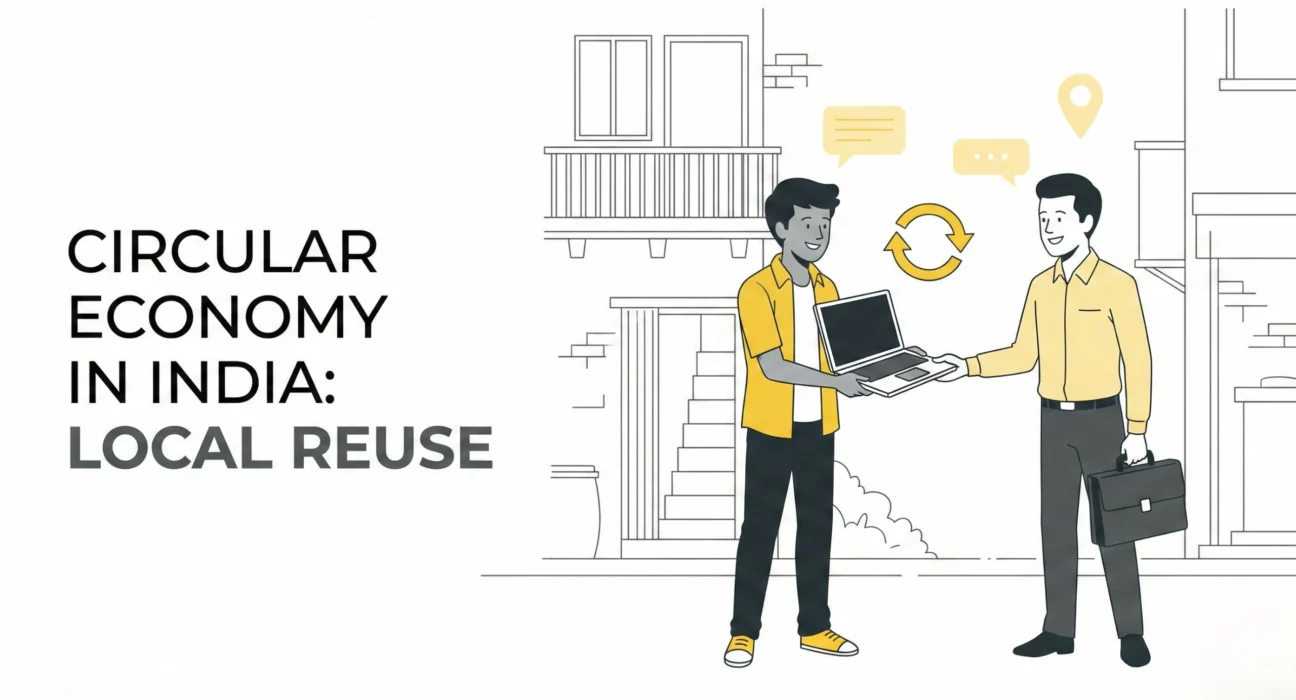
Your old laptop still works perfectly, but you’ve upgraded. It sits in a drawer for months because selling it feels complicated listing on multiple sites, dealing with shipping, worrying about scams.
Meanwhile, a student in your neighbourhood needs exactly that laptop for college but can’t afford a new one.
This disconnect happens constantly. Useful items gather dust while people nearby need them and can’t find them. The gap isn’t about availability, it’s about connection.
Local marketplaces like Sympl solve this by making it easy to buy and sell locally, keeping items in use instead of in landfills. This isn’t about saving the planet through grand gestures, it’s about practical exchanges that benefit everyone involved.
Understanding Why Items Stop Being Used
Most things don’t become useless, they just stop fitting someone’s current needs.
Your situation changes:
You move to a smaller apartment, so the sofa doesn’t fit. A family relocating needs furniture but doesn’t want to buy new and move it again in two years.
You upgrade:
Your phone works fine, but you want the latest model. A student needs a reliable phone and doesn’t care about having the newest version.
Your kids outgrow things:
The crib, the bicycle, the board games all perfectly functional but no longer needed. Another family with younger children could use them immediately.
Temporary needs end:
You bought a treadmill with great intentions, used it for three months, and it’s been a clothes hanger ever since. Someone actually committed to fitness could benefit from it.
The traditional solution was throwing things away or letting them collect dust. The circular economy approach is simpler: pass them to someone who needs them.
In India, where budgets matter and neighbourhoods are close-knit, this exchange makes even more sense.
What the Circular Economy Actually Means in Practice
Forget the jargon. The circular economy is just: use things longer, share them better, waste less.
Instead of: Buy new → Use briefly → Discard
Think: Buy → Use → Sell to someone else → They use → They sell → Repeat
Every item gets multiple lives with different owners, instead of one short life followed by decades in a landfill.
This sounds abstract until you see it locally:
A gaming console gets bought by a teenager, used for two years, sold to a college student, used for another two years, sold to a younger kid, and eventually donated to a community centre. That’s one console serving five different people over eight years instead of one person for two years.
Sympl classifieds make this chain possible by connecting local buyers and sellers without friction.
How Local Buying and Selling Keeps Items in Circulation
When you sell locally, several practical things happen that support reuse:
Lower barrier to buying second-hand:
Meeting someone from your neighbourhood to inspect a fridge feels safer and simpler than dealing with a stranger across the city or waiting for shipping.
Items stay useful longer:
When something’s easy to resell, you maintain it better. You know that the study table has resale value, so you don’t let it get damaged.
Faster turnover means items reach people who need them:
Instead of your bike sitting unused for a year, someone buys it within a week and starts using it daily.
Less packaging and transport waste:
No boxes, bubble wrap, or delivery trucks. Just a quick local pickup.
On Sympl and similar platforms built for local buyers and sellers, this exchange happens naturally. You post what you don’t need, someone nearby buys it, and both of you benefit.
There’s no environmental lecture involved, just practical value.
Real Examples of Circular Exchanges
Student textbook cycle:
Priya buys engineering textbooks from a third-year student for half the bookstore price. After her exams, she sells them to a junior. Those same books serve four students over four years instead of sitting on shelves or being discarded.
Furniture passing through renters:
Rajesh buys a bed frame from someone leaving Bangalore. He uses it for 18 months, then sells it when his company transfers him to Mumbai. The next tenant buys it. That bed frame serves three people across five years, none of whom needed to buy new.
Phone upgrade chain:
Anjali sells her two-year-old iPhone to upgrade. A working professional buys it as a backup phone. A year later, they sell it to a student who needs something reliable but affordable. That phone has three owners over four years instead of one owner for two years before being forgotten in a drawer.
Appliance rescue:
A family relocating abroad sells their washing machine to a young couple setting up their first home. That couple uses it for three years, then sells it when they buy a larger model. Someone in a budget rental buys it next. One washing machine serves three households over seven years.
These aren’t theoretical scenarios. This is how local buying and selling actually works when the process is simple and direct.
Why Local Transactions Work Better Than Distant Ones
The closer the buyer and seller, the easier the exchange.
Inspection builds trust:
You can see, touch, and test the item before buying. This removes the biggest barrier to buying used items uncertainty about condition.
Immediate transfer:
No waiting days for shipping. Arrange to meet today or tomorrow, inspect, pay, and take the item home.
No shipping costs eating into savings:
When a ₹5,000 item costs ₹800 to ship, the deal becomes less attractive. Local pickup keeps the full value with both parties.
Shared context helps communication:
“I’m near the metro station” or “close to the market” are references both parties understand. Coordination is simpler.
Community accountability:
When you’re selling to someone from your area, reputation matters. Most people are naturally more honest in local transactions.
When you buy and sell locally through platforms like Sympl, these advantages compound. The process feels less like a transaction with a stranger and more like a simple exchange within your community.
Cost Benefits That Make Reuse Practical
The circular economy sounds good in theory, but it works in practice because it saves money.
Buyers pay significantly less:
A ₹40,000 laptop becomes ₹22,000 after two years of light use. That’s nearly half the price for something that works just as well for most tasks.
Sellers recover some original cost:
Instead of getting zero for an unused item, you get back 30-50% of what you paid. That offsets your upgrade or helps with other expenses.
No disposal costs:
Getting rid of large items like furniture or appliances can cost money. Selling them for even a small amount is better than paying for removal.
Savings enable other purchases:
The ₹18,000 you save on a second-hand laptop can go toward books, software, or something else you actually need.
For budget-conscious buyers looking for low-cost buying options, this makes practical sense. For sellers trying to sell items fast without complexity, it’s equally valuable.
Time Benefits of Sympl Local Exchanges
Beyond money, local buying and selling saves time compared to other options.
Faster than retail shopping:
No researching models, comparing stores, waiting for sales. You find what you need nearby, inspect it once, and you’re done.
Quicker than nationwide platforms:
No lengthy shipping windows, delivery delays, or return processes if something doesn’t match the description.
Simpler than donation logistics:
Finding the right charity, coordinating pickup, or transporting items yourself takes effort. Selling locally is often faster.
Direct negotiation speeds things up:
Message the seller, agree on price, meet up total time from decision to ownership can be under 24 hours.
On sympl classifieds designed for quick local connections, this efficiency is built in. No unnecessary steps, no waiting for approvals, no complicated verification processes.
Who Benefits Most from Local Circular Exchanges
Students managing tight budgets:
You need textbooks, electronics, and furniture but can’t afford everything new. Buying second-hand locally gives you what you need at prices you can handle.
Families with changing needs:
Children outgrow clothes, toys, and gear constantly. Selling what your kids don’t need and buying what they do keeps costs manageable.
Working professionals relocating frequently:
When you move cities every few years, buying and selling locally makes more sense than accumulating possessions or paying for long-distance moving.
People downsizing or decluttering:
Whether you’re moving to a smaller place or just clearing space, selling items locally is faster and more profitable than bulk disposal.
Budget-conscious buyers of all types:
Anyone who values getting good items at fair prices benefits from the local second-hand market.
Platforms like Sympl serve all these groups by keeping the process simple and local-focused.
Common Barriers and How Local Platforms Address Them
“I don’t know if I can trust the seller”:
Local meetups let you inspect items and judge the seller yourself. Direct conversation builds confidence better than distant transactions.
“Selling seems complicated”:
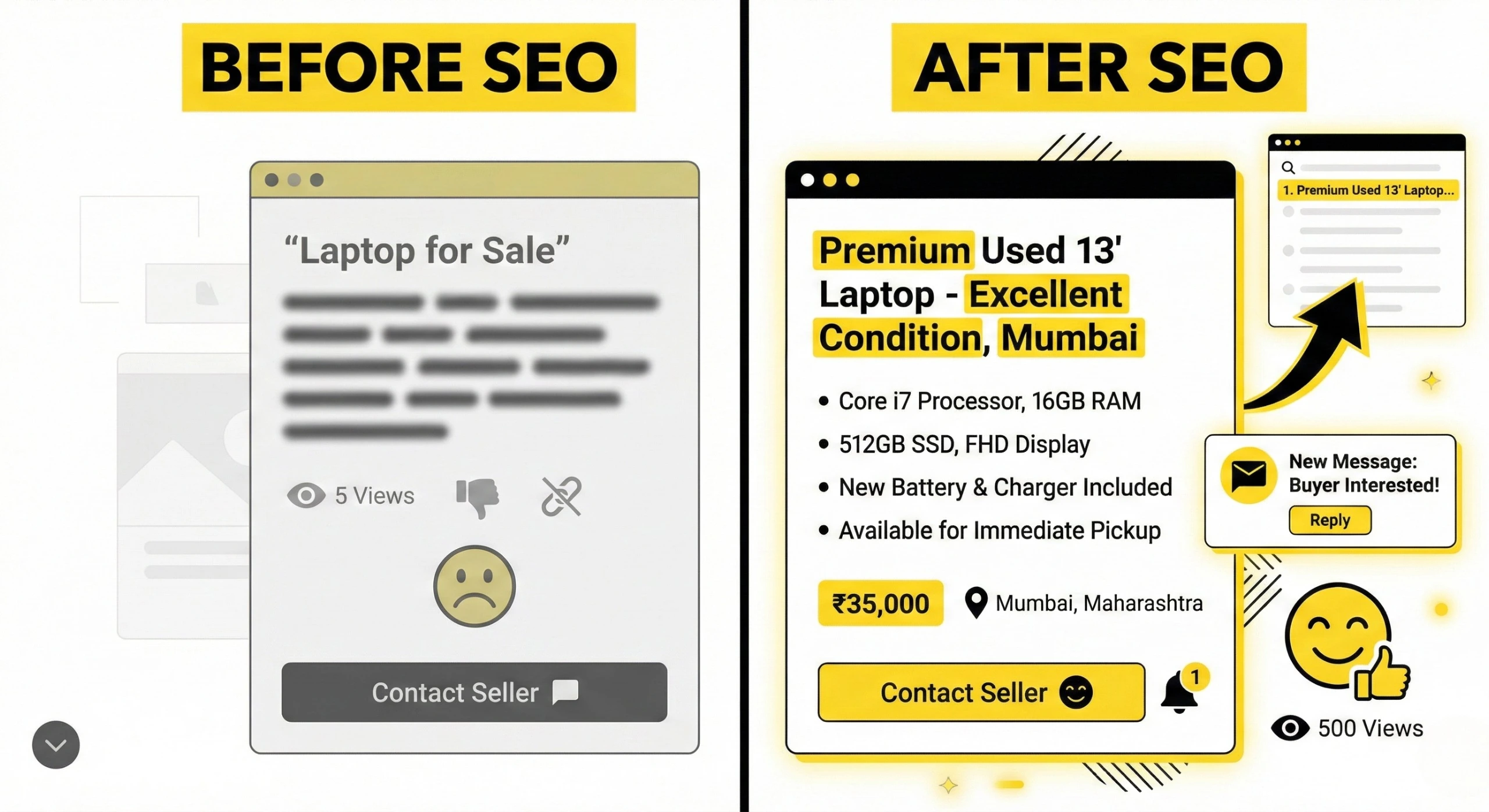
Sympl classifieds remove the complexity. Post photos, write a clear description, respond to messages. That’s it.
“I don’t have time for endless negotiations”:
When you price fairly and describe honestly, serious buyers emerge quickly. Local proximity speeds up the entire process.
“What if the item has problems I didn’t notice”:
Meeting in person for inspection protects buyers. Honest descriptions from sellers prevent misunderstandings.
These aren’t revolutionary solutions, they’re just practical design choices that make local buying and selling work smoothly.
The Bigger Picture Without the Sermon
Every item that gets a second life instead of going to waste contributes to less manufacturing demand, less resource extraction, and less landfill pressure.
But you don’t need to think about global impact to participate. The immediate benefits—saving money, making money, finding what you need quickly are reason enough.
The environmental benefits happen as a side effect of people making practical choices for themselves.
This is exactly how sustainable practices actually spread: not through guilt or obligation, but through genuine convenience and value.
When buying second-hand is cheaper, easier, and faster than buying new, people do it naturally. When selling unused items is simple and profitable, people do it without prompting.
Local marketplaces create these conditions without preaching about them.
How Sympl Platforms Enable Circular Exchanges
Sympl and similar platforms work because they remove friction from local transactions:
Easy posting:
Take a few photos, write a short description, set a price. Your item is live and visible to nearby buyers within minutes.
Direct communication:
Message the seller or buyer directly. Negotiate, ask questions, arrange meetups all in simple chat.
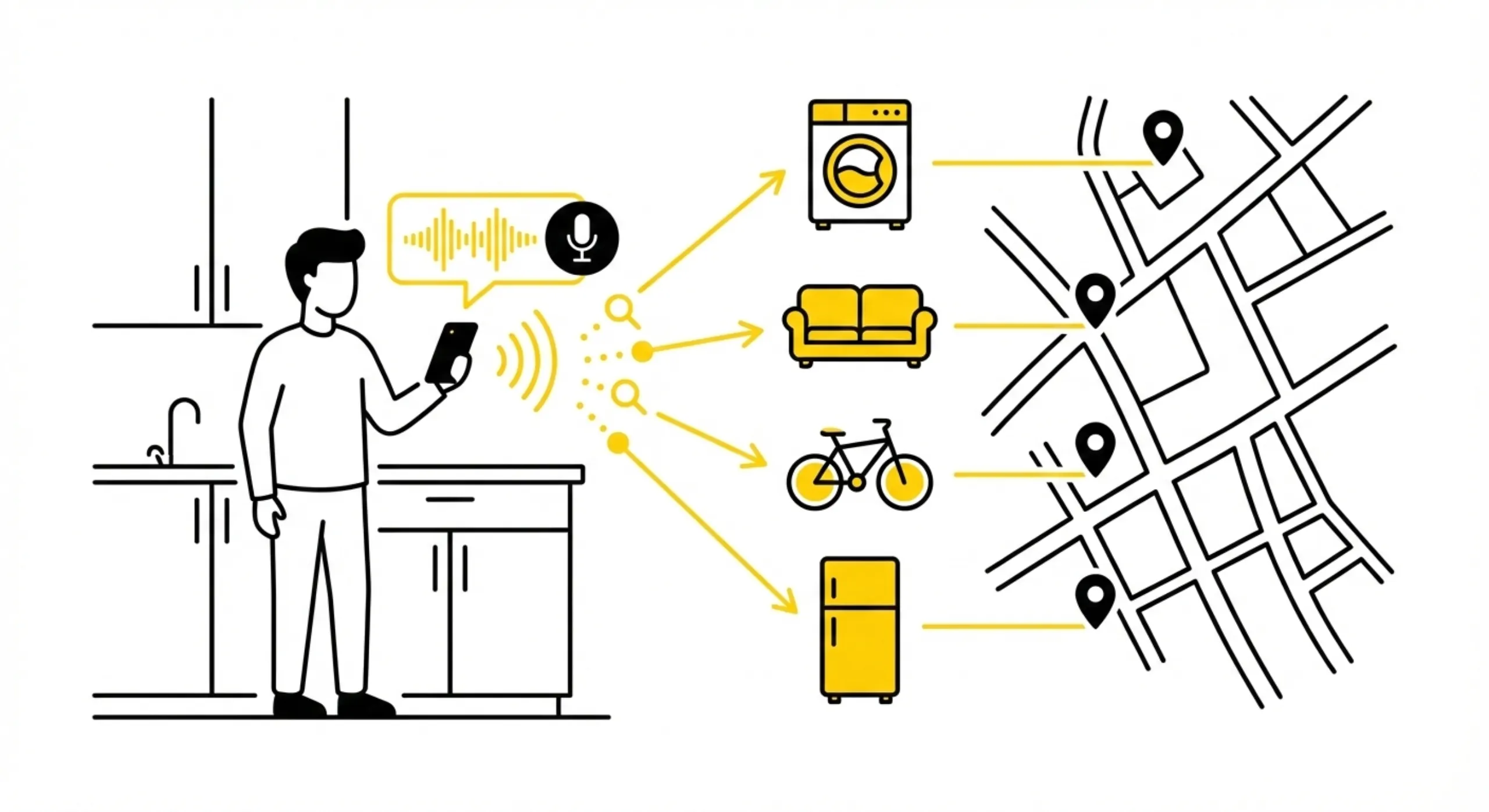
Location-based discovery:
Buyers near you see your listings. You see items available nearby. No wasting time on distant options.
No complex rules or fees:
Sympl classifieds don’t nickel-and-dime you with listing fees, success fees, or mandatory insurance. Post, sell, done.
This simplicity matters because it encourages participation. If selling locally required hours of effort, most people wouldn’t bother. When it takes ten minutes, everyone does it.
Practical Tips for Participating in Local Circular Economy
As a seller:
- Price items fairly based on age and condition, not emotional attachment
- Be honest about flaws it builds trust and prevents failed transactions
- Post items as soon as you know you don’t need them, before they become outdated
- Respond quickly to enquiries while interest is fresh
As a buyer:
- Don’t expect brand-new condition at second-hand prices
- Inspect items thoroughly before buying, but don’t be unreasonable about minor wear
- Pay fairly extreme lowballing wastes everyone’s time
- Pick up promptly once you’ve committed to buying
These aren’t complicated guidelines. They’re just common courtesy applied to buying and selling.
What Doesn’t Require Changing
Participating in circular economy practices through local buying and selling doesn’t mean:
- Compromising on quality or accepting broken items
- Feeling guilty about buying new when that’s the right choice
- Turning it into a full-time hustle or side business
- Making sustainability your primary motivation
It’s just: when you have something you don’t need, sell it locally. When you need something, check if it’s available second-hand nearby before buying new.
The rest environmental benefits, community building, resource conservation happens on its own.
Conclusion
Local marketplaces support the circular economy by making reuse practical, not by making it preachy.
When selling your old phone is as easy as posting a few photos and meeting a buyer from your neighbourhood, you do it. When buying a second-hand desk saves you half the cost and works just as well, you do it.
These individual decisions driven by convenience and value, not ideology keep items circulating instead of being discarded.
On Sympl and similar platforms designed for local buyers and sellers, this exchange happens naturally because the process is simple and direct.
You don’t need to think about economic systems or environmental impact. Just think about what you need, what you don’t, and who nearby might benefit from a straightforward exchange.
That’s all the circular economy really is and it’s easier than ever to participate.