Most large enterprises today run on systems that were built 10, 15, or even 20 years ago. These systems handle critical functions like customer transactions, supply chain operations, financial reporting, and compliance tracking. They work, and that is exactly why changing them feels dangerous.
The pressure to modernize is real. Customer expectations have changed. Competitors are moving faster. Regulatory requirements are evolving. New digital channels need to be supported. But the risk of disrupting a system that processes millions of dollars in daily transactions, or that supports thousands of employees across multiple countries, keeps many leaders cautious.
This is not a technology problem. It is an execution problem. The challenge is not whether to modernize, but how to do it without breaking what already works.
Why Legacy Modernization Is Different at Enterprise Scale
Small companies can replace systems over a weekend. Large enterprises cannot. The difference is not just size. It is complexity, interdependency, and consequence.
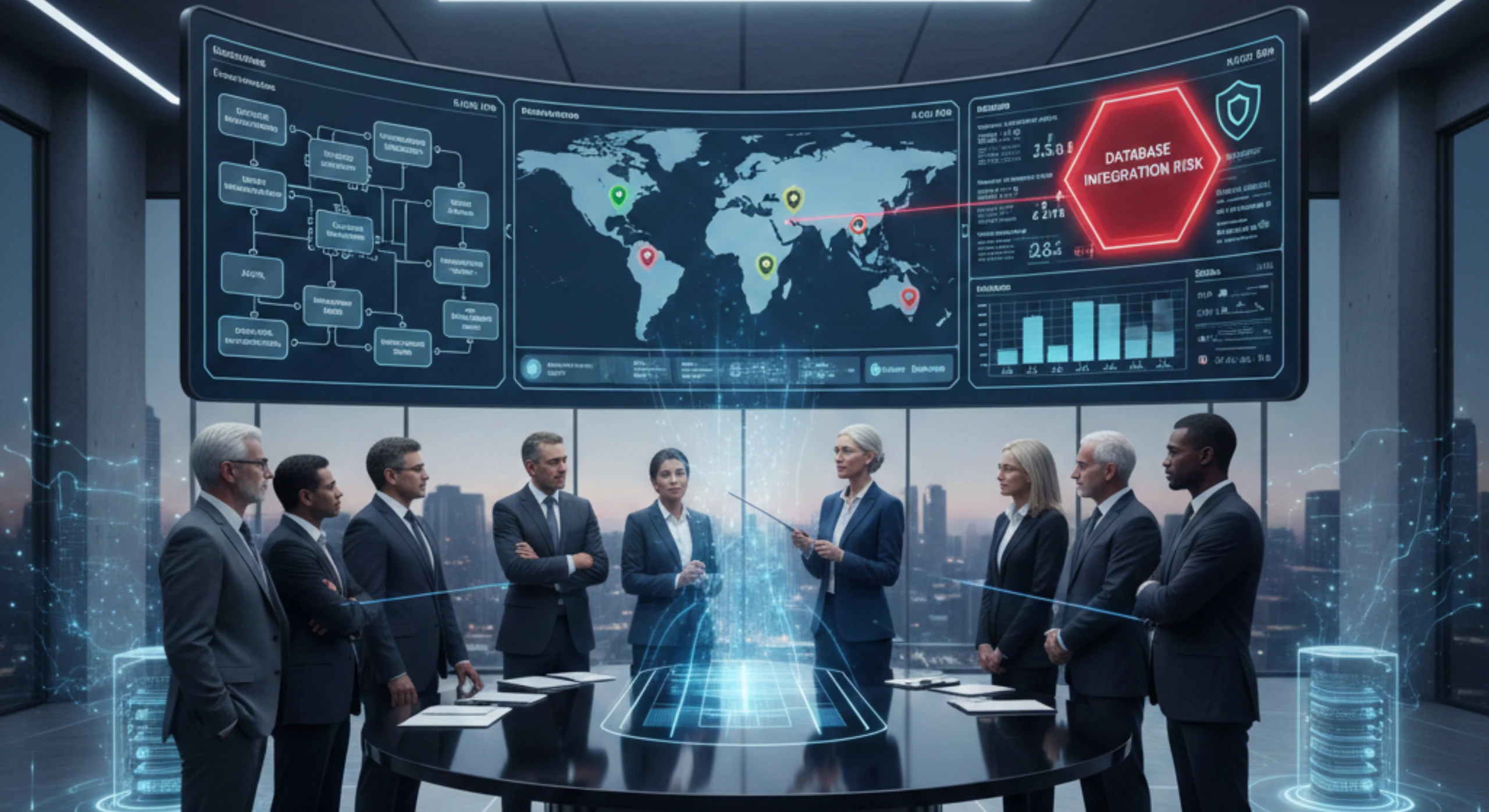
Enterprise systems are rarely standalone. A core ERP platform might integrate with dozens of other systems. A customer-facing application might depend on services running in three different data centers. A financial reporting tool might pull data from 15 sources across multiple geographies. Change one thing, and the ripple effects can be significant.
Then there is the organizational complexity. Multiple departments use the same system in different ways. Different regions have different compliance requirements. Legacy customizations have been layered on over years, and often the people who built them have moved on. Documentation is incomplete. Tribal knowledge is scattered.
The cost of failure is high. A failed deployment can halt production lines, freeze financial close processes, or lock customers out of critical services. Recovering from a major incident can take weeks and damage customer trust in ways that are hard to repair.
This is why legacy modernization at scale requires a different approach. It is not about moving fast and breaking things. It is about moving deliberately and protecting what matters.
The Core Principles That Reduce Disruption
Successful enterprise modernization programs follow a set of practical principles. These are not theoretical concepts. They are execution disciplines that reduce risk and maintain business continuity.
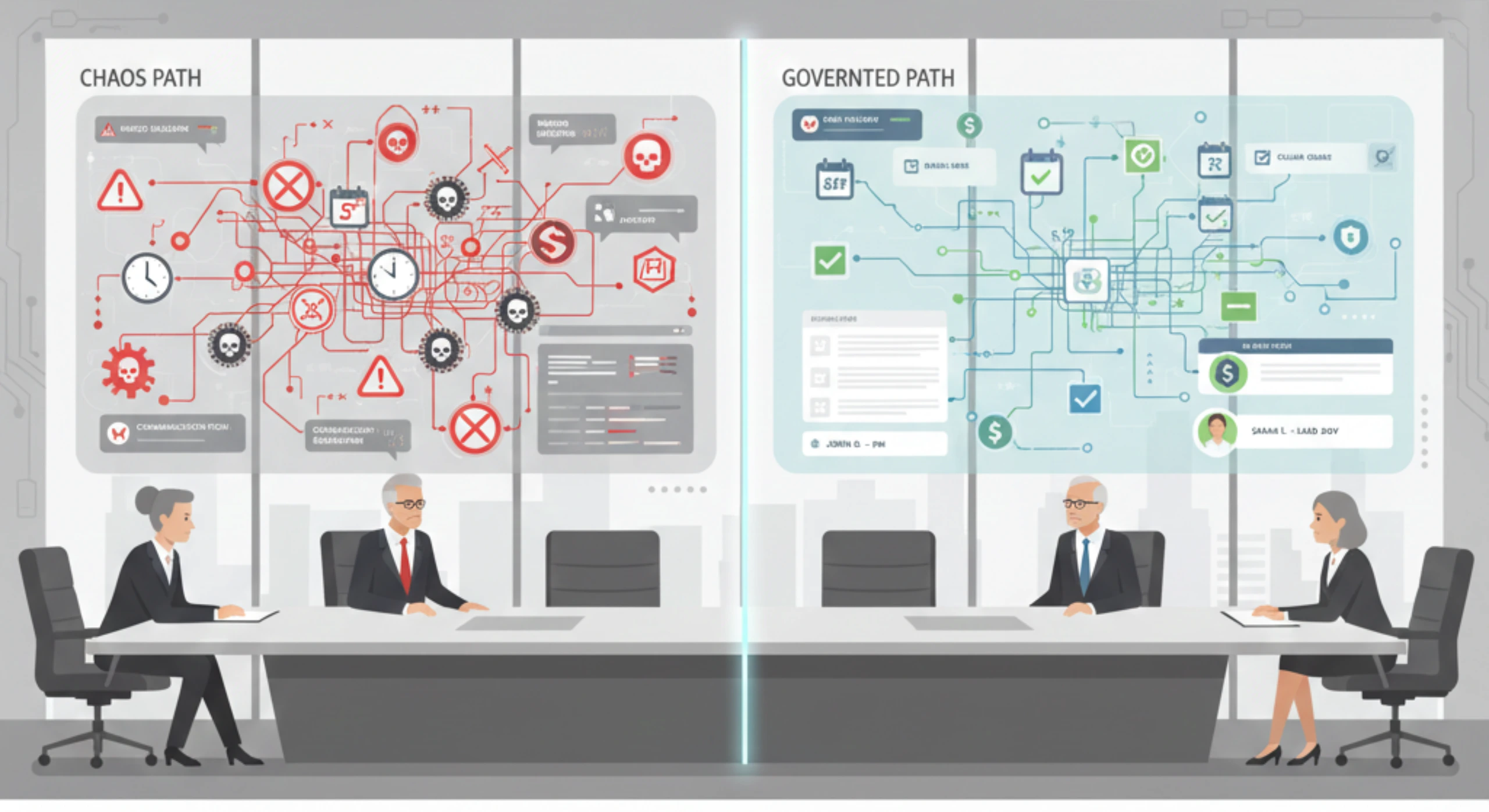
Incremental transition over full replacement. The biggest mistakes happen when enterprises try to replace entire systems in one move. A better approach is to modernize in stages. Start with non-critical functions. Build confidence. Prove the new architecture works. Then move progressively toward more critical components. This allows teams to learn, adjust, and course-correct before the stakes get too high.
Parallel operation during transition. Running old and new systems side by side for a period is not inefficient. It is insurance. It allows real-world validation of the new system while keeping the old system available as a fallback. It gives teams time to compare outputs, identify discrepancies, and build confidence before final cutover.
Rigorous testing in production-like environments. Testing in an environment that does not mirror production conditions is optimistic at best. Enterprise modernization requires testing with real data volumes, real integration points, and real performance loads. This means investing in proper test environments and treating testing as a critical workstream, not a final checklist.
Clear rollback plans at every stage. Every deployment should have a defined rollback procedure. Teams should know exactly how to revert if something goes wrong, and that procedure should be tested in advance. The ability to rollback quickly reduces the fear of change and allows teams to move forward with greater confidence.
Deep involvement of business stakeholders. Technology teams cannot modernize systems in isolation. The people who use these systems every day understand the edge cases, the workflows, the exceptions, and the consequences of failure. Their input is critical during design, testing, and deployment. Without it, even technically sound solutions can fail in practice.
These principles are simple to state but hard to execute. They require discipline, senior oversight, and a team that understands both the technology and the business context.
Where Most Modernization Programs Go Wrong
Even well-funded programs fail. The reasons are often predictable.
One common failure mode is underestimating the complexity of existing systems. Teams assume they understand how the legacy system works, only to discover layers of undocumented customizations, hidden dependencies, and business rules embedded in unexpected places. When these are missed, the new system behaves differently than expected, and confidence erodes quickly.
Another frequent issue is poor stakeholder alignment. If business leaders, IT teams, and end users are not aligned on priorities, timelines, and trade-offs, the program stalls. Misaligned expectations lead to scope creep, last-minute changes, and deployment delays.
Inadequate change management is another risk. Even if the new system works perfectly, if users do not understand how to use it, or if they resist the change, adoption suffers. Training, communication, and support need to be treated as first-class workstreams, not afterthoughts.
Finally, many programs fail because they lack strong execution leadership. Modernization is not a pure technology project. It requires someone who can manage risk, navigate organizational complexity, make tough calls, and keep the program on track when challenges arise. Without that leadership, programs drift, timelines slip, and costs overrun.
How Ozrit Approaches Enterprise Modernization Differently
Ozrit works with large enterprises on exactly these types of programs. The firm’s approach is built around reducing execution risk and maintaining business continuity throughout the transition.
One of the key differences is senior team involvement from the start. On enterprise modernization programs, Ozrit assigns senior architects and delivery leads who have done this work before. These are not junior resources learning on the job. They bring experience from similar programs, understand the common failure modes, and know how to structure work to avoid them.
Clear ownership matters in complex programs. Ozrit assigns dedicated technical leads who own specific workstreams and are accountable for delivery. This removes ambiguity, speeds decision-making, and ensures that critical issues do not fall through the cracks.
The firm’s onboarding process is designed to reduce risk early. Before any major work begins, Ozrit teams conduct detailed discovery. They map existing systems, identify dependencies, interview stakeholders, and document current-state architecture. This upfront investment prevents costly surprises later and allows for more accurate planning.
Realistic timelines are another differentiator. Ozrit does not promise aggressive schedules that look good on paper but collapse under real-world complexity. Instead, the firm plans for contingencies, builds in proper testing phases, and sequences work to allow for learning and adjustment along the way.
Ozrit’s team size and structure also support large-scale delivery. The firm can staff enterprise programs with multiple workstreams running in parallel, while maintaining coordination and technical coherence across the program. This is not a small consultancy scaling beyond its capacity. Ozrit has the depth to sustain large programs over multi-year timelines without key-person dependencies.
For critical systems, 24/7 support during and after cutover is standard. Modernization does not end at deployment. The highest-risk period is often the first few weeks after go-live, when real user load hits the new system. Having experienced engineers available around the clock during this period reduces downtime and allows teams to respond quickly to issues.
Technology Choices That Support Stable Transitions
The specific technologies used in modernization matter, but the principles behind those choices matter more.
Cloud infrastructure, when implemented correctly, provides flexibility and resilience. It allows teams to stand up parallel environments, run extensive testing, and scale resources during cutover periods. But cloud is not a magic solution. It requires careful architecture, proper security design, and disciplined cost management.
Automation plays a significant role in reducing human error. Automated deployment pipelines, infrastructure-as-code, and automated testing allow teams to deploy consistently and repeatably. This is especially important in large programs where manual processes introduce variability and risk.
AI and machine learning can add value in specific areas, such as identifying patterns in legacy data, automating repetitive migration tasks, or monitoring system performance for anomalies. But these technologies are tools, not strategies. They work best when applied to well-defined problems within a larger, disciplined execution framework.
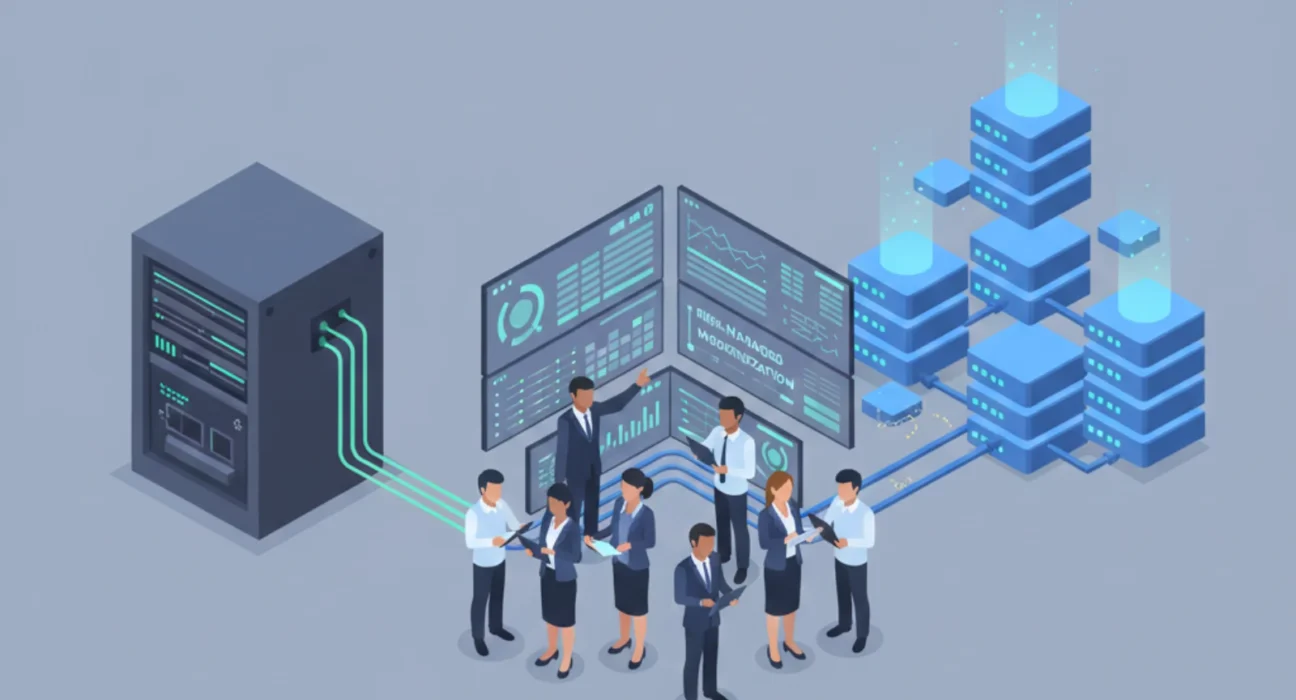
API-based architectures allow for incremental decoupling of legacy systems. Rather than replacing an entire monolith at once, teams can expose legacy functionality through APIs, build new services around those APIs, and progressively replace backend components over time. This reduces risk and allows the business to realize value earlier.
The key is matching technology choices to business objectives and risk tolerance. The goal is not to use the newest technology. The goal is to modernize in a way that protects the business while delivering real operational improvements.
The Long View on Enterprise Modernization
Legacy modernization is not a one-time project. It is a capability that enterprises need to build and maintain. Systems will continue to age. Technology will continue to evolve. The organizations that handle modernization well are those that treat it as a repeatable discipline, not a crisis response.
This requires investment in the right skills, both internally and through external partners. It requires leadership that understands the balance between speed and stability. And it requires a realistic view of what modernization takes in terms of time, cost, and organizational change.
The enterprises that succeed are those that move deliberately, protect what works, and build confidence through execution. That is not the most exciting message, but it is the one that keeps critical systems running while the future is being built.