You’ve posted your item a phone, a bicycle, some furniture and now you’re waiting for buyers to find it.
You assume people will search for exactly what you’re selling, see your listing, and message you. But days pass with fewer responses than expected. Your listing sits there while similar items from other sellers get attention and sell quickly.
The reality is that most buyers don’t search with laser focus. They browse casually, stumble upon interesting items while looking for something else, or discover listings through recommendations and categories they weren’t specifically seeking.
On crowded marketplaces, your listing competes with thousands of others, and visibility depends on paying for promotions or having the perfect keywords. If buyers don’t search using your exact words, they never see what you’re selling.
Local classifieds work differently. Because the focus is on proximity and simplicity, buyers naturally discover a wider range of items just by browsing what’s available nearby. Your listing reaches people even when they’re not searching for it specifically, which means you sell items fast without needing to optimize or promote constantly.
Why Direct Search Isn’t the Only Discovery Method
The common assumption is that buying works like this: someone needs a phone, searches “phone,” sees results, picks one.
But real buying behavior is messier and more exploratory.
People browse categories out of curiosity “What furniture is available near me?” They check what’s newly listed even when they’re not actively shopping. They discover items they didn’t know they wanted while looking for something completely different.
A student searching for textbooks might notice a laptop listing and realize they need an upgrade. A parent looking for kids’ clothes might see a bicycle and remember their child has outgrown theirs. Someone browsing appliances might discover gym equipment and decide to start working out at home.
This casual discovery is how a lot of buying actually happens, especially for non-urgent purchases. People don’t always know exactly what they want until they see it available at a good price nearby.
Most large platforms make this browsing difficult. They’re optimized for search, not exploration. If you don’t type specific keywords, you don’t see relevant items. Their category systems are so vast that browsing feels overwhelming rather than enjoyable.
When you buy and sell locally through Sympl Classifieds, discovery happens more naturally because the pool of listings is smaller and more relevant; everything is from your area, which already filters out most of the noise.
How Location-Based Discovery Works
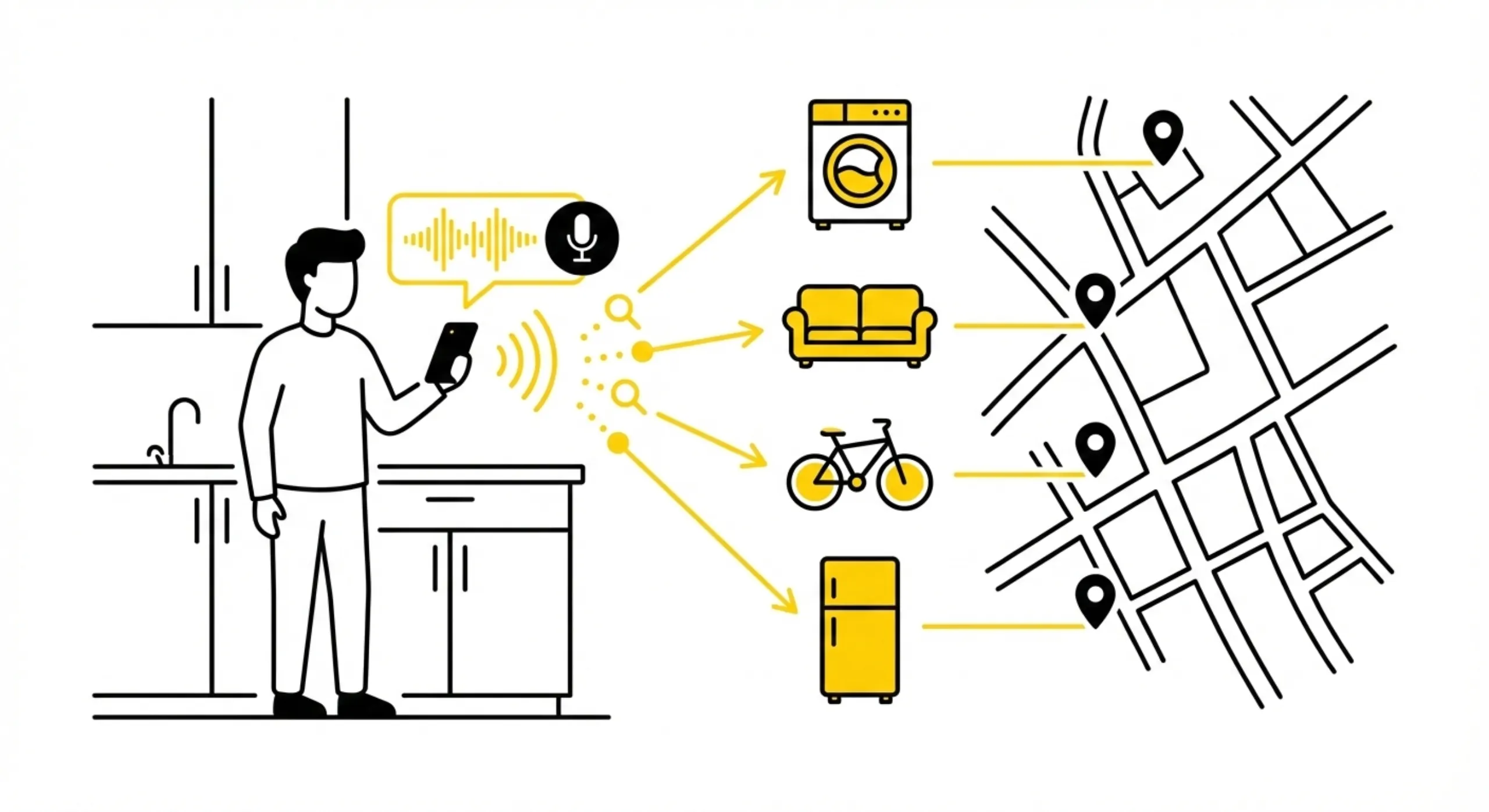
The simplest way buyers discover listings without searching is through location.
When someone opens a local classifieds platform, they’re shown items available nearby. This immediately makes browsing manageable instead of millions of listings nationwide, they see hundreds or thousands from their city or neighbourhood.
This creates natural discovery. Someone checking what’s available in their area sees:
- The dining table you’re selling
- A phone someone posted yesterday
- Furniture from a family relocating
- Sports equipment from nearby sellers
They weren’t searching for a dining table specifically, but seeing one available locally, in good condition, at a fair price makes them consider it. Maybe they’ve been thinking about replacing their old one. Maybe they just moved and needed furniture. The proximity makes acting on the discovery practical.
Location-based discovery works because it answers a different question. Instead of “Where can I find a phone?” it answers “What’s available near me that I might need or want?”
This benefits sellers because your listing reaches people based on relevance (they live nearby) rather than competition (who has the best keywords or paid promotion).
Category Browsing and Exploration
Even when buyers have something specific in mind, they often browse categories rather than search directly.
Someone interested in fitness might browse the entire “Sports & Fitness” category to see what equipment is available locally. They’re not searching for “treadmill” or “dumbbells” they’re exploring options, comparing what’s there, and making decisions based on what they discover.
Categories help buyers find items they didn’t know the exact name for. Someone wanting a specific type of furniture might not know it’s called a “console table” or “credenza.” By browsing furniture listings, they find what they need visually rather than through keywords.
This browsing behaviour means your listing can be discovered by people who need what you’re selling but wouldn’t have found it through search because they didn’t use the right words.
Sympl classifieds work better here because categories stay practical and focused. You’re not competing with thousands of professional sellers in over-complicated category trees. You’re one of several local sellers in a clear, browsable category.
New and Recently Posted Listings
Many buyers check “recently posted” or “new listings” sections regularly.
This habit is especially common among:
- Deal hunters looking for good prices on items just listed
- People who browse classifieds as a regular activity
- Buyers who want first chance at popular items before others contact the seller
When you post an item, it appears in these fresh listing feeds, which means it gets seen by people not searching for it specifically. They’re just checking what’s new in their area.
This creates early visibility. Your listing gets attention in the first few hours or days simply because it’s new, before it settles into category or search result pages where it competes with older listings.
For sellers, this means posting at the right time matters slightly. Evening or weekend posts might get seen by more browsers checking new listings during leisure time. But the advantage of local classifieds is that even older listings stay visible because the total volume is manageable, your item doesn’t get buried under thousands of new posts daily like it would on massive platforms.
Related and Similar Item Suggestions
Some discovery happens through seeing related items.
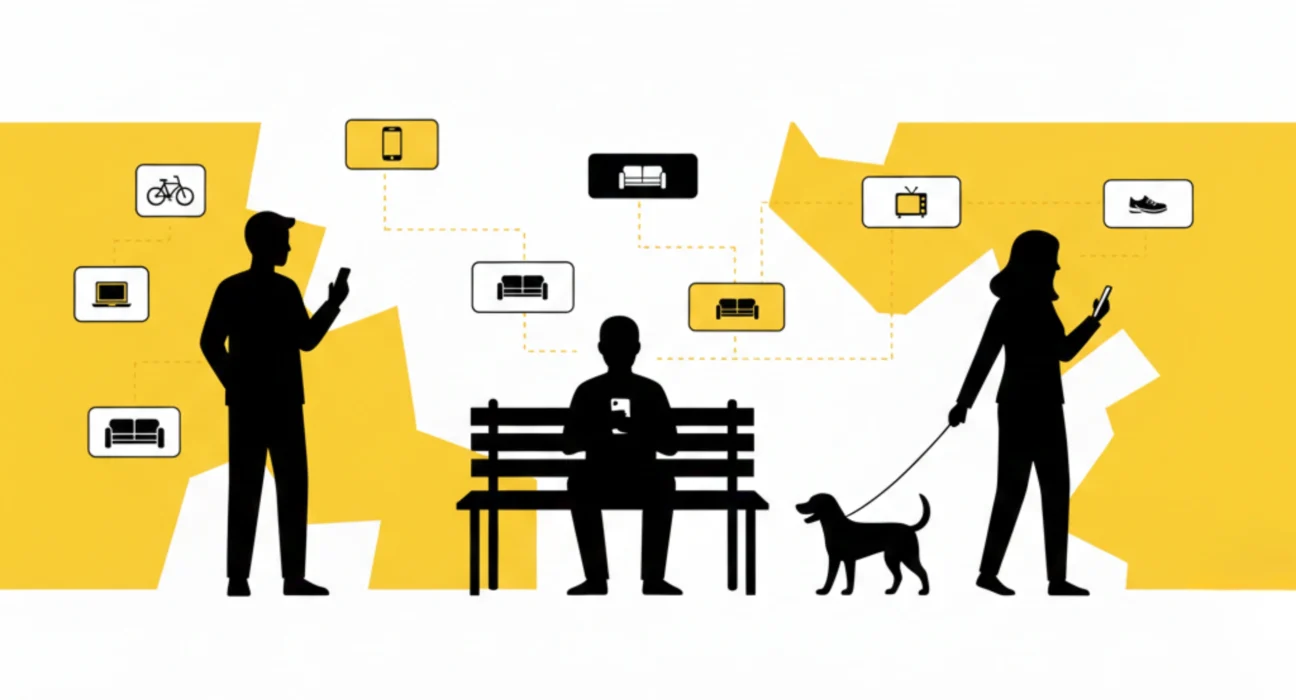
When a buyer looks at one listing, a laptop they might see suggestions for other electronics, office furniture, or related items nearby. This helps them discover your listing even if they started looking at something different.
This works particularly well for complementary items. Someone buying a desk might discover your office chair. Someone looking at a phone might see your phone accessories or laptop listing.
For sellers, this means thinking about what your item naturally goes with. If you’re selling a bike, buyers looking at cycling gear might discover it. If you’re selling textbooks, students browsing study materials might find them.
The beauty of local classifieds is that these connections happen more organically because the pool of items is smaller and more relevant. Everything shown is from nearby, so every suggestion is actually actionable not just interesting but impractical because the seller is in a different state.
Word of Mouth and Sharing Within Communities
Local buying creates natural community networks where discovery happens through conversation.
Someone tells a friend they found a good deal on furniture locally. That friend starts browsing, discovers your listing for something else, and contacts you. A colleague mentions they sold their bike quickly using local classifieds. Others start checking what’s available and discover items they need.
This word-of-mouth discovery is powerful because it comes with implicit trust. If someone you know had a good experience buying locally, you’re more likely to browse and make purchases yourself.
In neighbourhoods, housing societies, and local groups, people often share interesting listings they’ve seen. “I saw someone selling a good refrigerator nearby” leads others to check the platform, where they discover multiple listings including yours.
For sellers, this means your listing can reach people who weren’t actively shopping but heard about the platform and started browsing out of curiosity or need.
Timing and Seasonal Discovery
Buyers discover certain items based on timing rather than active searching.
When the academic year starts, students browse for textbooks, furniture, and bikes even if they weren’t thinking about these items weeks earlier. Before festivals, people check what home items are available. During the wedding season, families look for furniture and appliances.
Your listing gets discovered because it matches what people need at that particular time, even if they’re browsing generally rather than searching specifically.
This seasonal discovery means items that might sit unnoticed for weeks suddenly get attention when the right season or need arises. A student desk sells better in June-July. Winter clothes get more views in November-December. Sports equipment sees interest in January when people make fitness resolutions.
Local classifieds benefit from this because buyers checking for seasonal items see everything available nearby in manageable lists, which means your item has a good chance of being noticed even if it’s not perfectly keyword-optimised.
How Simplicity Increases Discovery
The fundamental reason discovery works better on Sympl classifieds is reduced complexity.
Large marketplaces overwhelm buyers with choices, filters, sorting options, and promotional listings. Decision fatigue sets in. People search narrowly just to make the options manageable, which means they miss items slightly outside their search terms.
Sympl classifieds reduce this cognitive load. Buyers can actually browse because there aren’t thousands of listings to wade through. Everything is local, which automatically filters out most noise. Categories are straightforward without endless subcategories.
This makes discovery pleasant rather than exhausting. People browse more, explore more categories, and spend more time looking at individual listings because the experience isn’t overwhelming.
For sellers, this means your listing has a real chance of being seen and considered, not just lost in an endless scroll of similar items from across the country.
Practical Benefits for Sellers
When buyers discover your listing through browsing rather than just direct search, several things happen.
Faster sales
You’re not waiting for someone to search your exact keywords. You’re reaching browsers, category explorers, and people checking new listings multiple discovery paths instead of just one.
Better prices
Browsers who discover your item organically are often more flexible on price because they weren’t comparing dozens of similar listings. They found something they needed nearby at a reasonable price, which is enough to make a decision.
More serious buyers
People who browse local classifieds and discover items are often ready to buy. They’re checking what’s available because they’re in a buying mindset, not just researching from their couch with no intention to act.
Less competition
You’re not competing with thousands of similar listings on sorting algorithms or paid promotions. Your item gets discovered naturally through proximity, timing, and browsing behaviour.
These benefits add up to selling items fast without needing expertise in keyword optimisation or money for promotional features.
Who Benefits Most from Discovery-Based Selling
This approach works well for everyone, but especially certain types of sellers.
First-time sellers
If you’ve never sold anything online before, you don’t know which keywords work or how to write perfect descriptions. Discovery-based visibility means your listing still reaches buyers even without optimisation expertise.
People selling unique or unusual items
If your item doesn’t fit standard search terms vintage items, handmade goods, specialised equipment it’s hard for buyers to find through search. But they might discover it while browsing categories or new listings.
Sellers with good deals
If you’re pricing items reasonably, browsers who discover your listing are likely to act quickly. They recognise value when they see it, even if they weren’t specifically searching for that item.
Anyone selling multiple unrelated items
If you’re clearing out a home and have furniture, electronics, books, and clothes all listed separately, discovery means different buyers find different items through various browsing paths.
People who value simplicity over sophisticated marketing will find this method less stressful and more effective.
Making Your Listing More Discoverable
While discovery happens naturally on local classifieds, a few simple practices help.
Use clear, simple titles
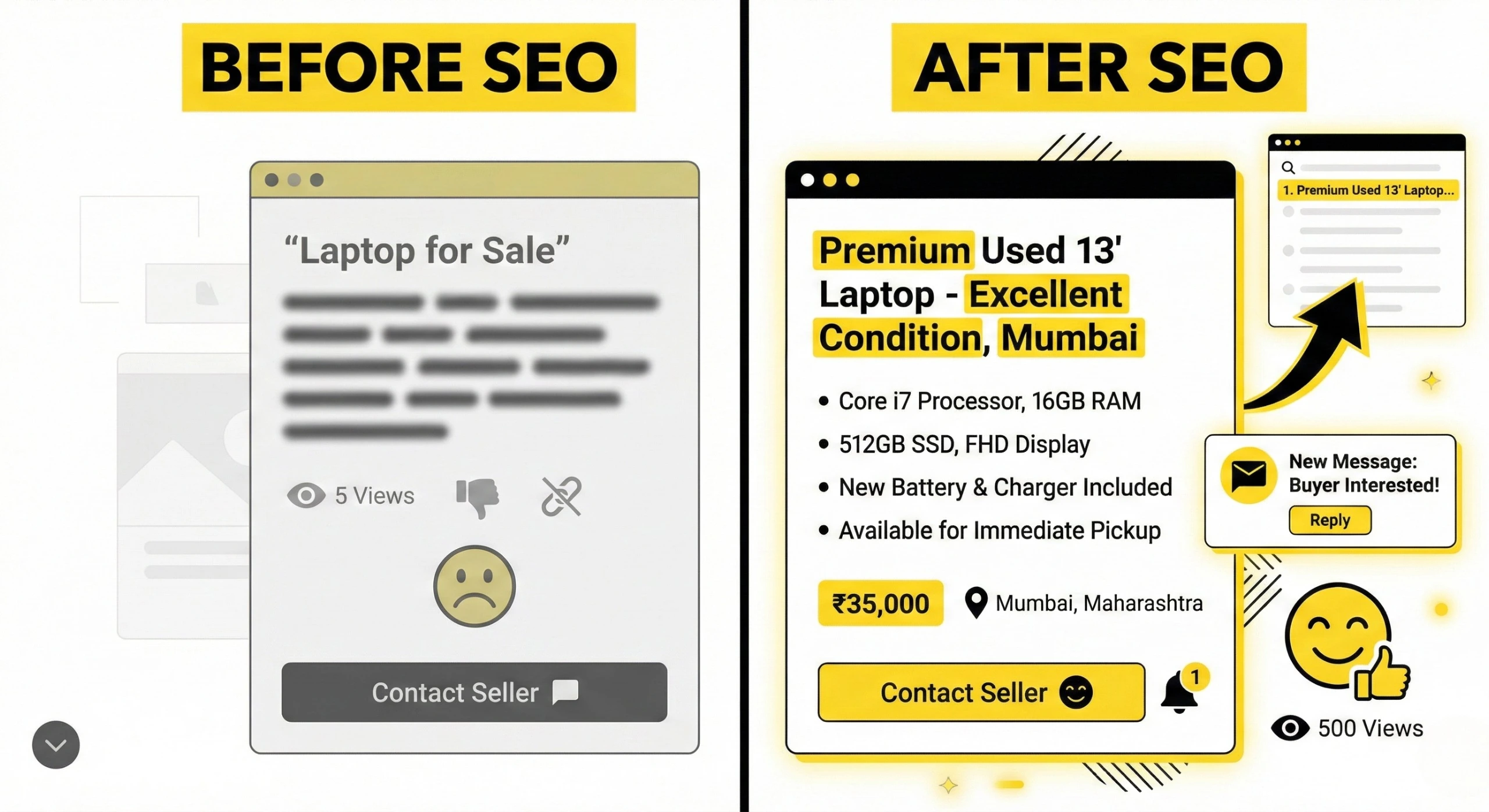
Don’t worry about keyword stuffing. Just describe what the item is: “Wooden dining table, 6-seater” or “iPhone 12, 128GB, good condition.”
Choose the right category
Place your item where browsers would logically look for it. This seems obvious, but it’s the most important factor in category-based discovery.
Post good photos
Browsers scrolling through listings notice clear, well-lit photos. You don’t need professional photography, just honest images showing the item properly.
Price fairly from the start
Browsers are more likely to click on and remember reasonably priced items. Overpricing means people skip past your listing even when they discover it.
Be responsive
When discovery brings browsers to your listing, quick responses convert interest into sales. Check messages regularly during the first few days after posting.
These aren’t complex strategies, just practical habits that work with how people naturally browse and discover items locally.
Time and Patience in Discovery
Discovery-based selling sometimes takes slightly longer than direct search-based selling, but often results in better outcomes.
Someone searching “iPhone 12” wants one right now and will buy from whoever responds first. But someone who discovers your listing while browsing might take a day to think, then message you with genuine interest and fair offers.
This is especially true for non-urgent items. Furniture, appliances, hobby equipment, these don’t usually get bought on impulse from search. They get bought when someone discovers them at the right time, at the right price, in the right location.
Patience doesn’t mean weeks of waiting. On local classifieds, discovery happens relatively quickly because the browsing pool is active and focused. But understanding that your item might sell through browsing rather than immediate search helps set realistic expectations.
Moving Forward as a Seller
Understanding how discovery works helps you sell more effectively on local classifieds.
You don’t need perfect keywords or promotional budgets. You need clear descriptions, honest photos, fair pricing, and patience for buyers to discover what you’re offering through the natural browsing and exploration that happens when platforms keep things simple and local.
Your listing reaches people through multiple paths location proximity, category browsing, new listing feeds, related item suggestions, and community sharing. Each path brings different buyers who might not have found you through direct search.
And because everything stays local and manageable, your item has a genuine chance of being discovered, considered, and purchased by someone nearby who needs exactly what you’re selling even if they didn’t start their day planning to search for it.
This is how local buying and selling creates natural discovery, less noise, more relevance, and simple systems that let good items find the right buyers without complicated algorithms or expensive promotion. Just straightforward connections between people in the same area who can actually complete practical, face-to-face transactions.