When You Have No Idea Who You Are Buying From
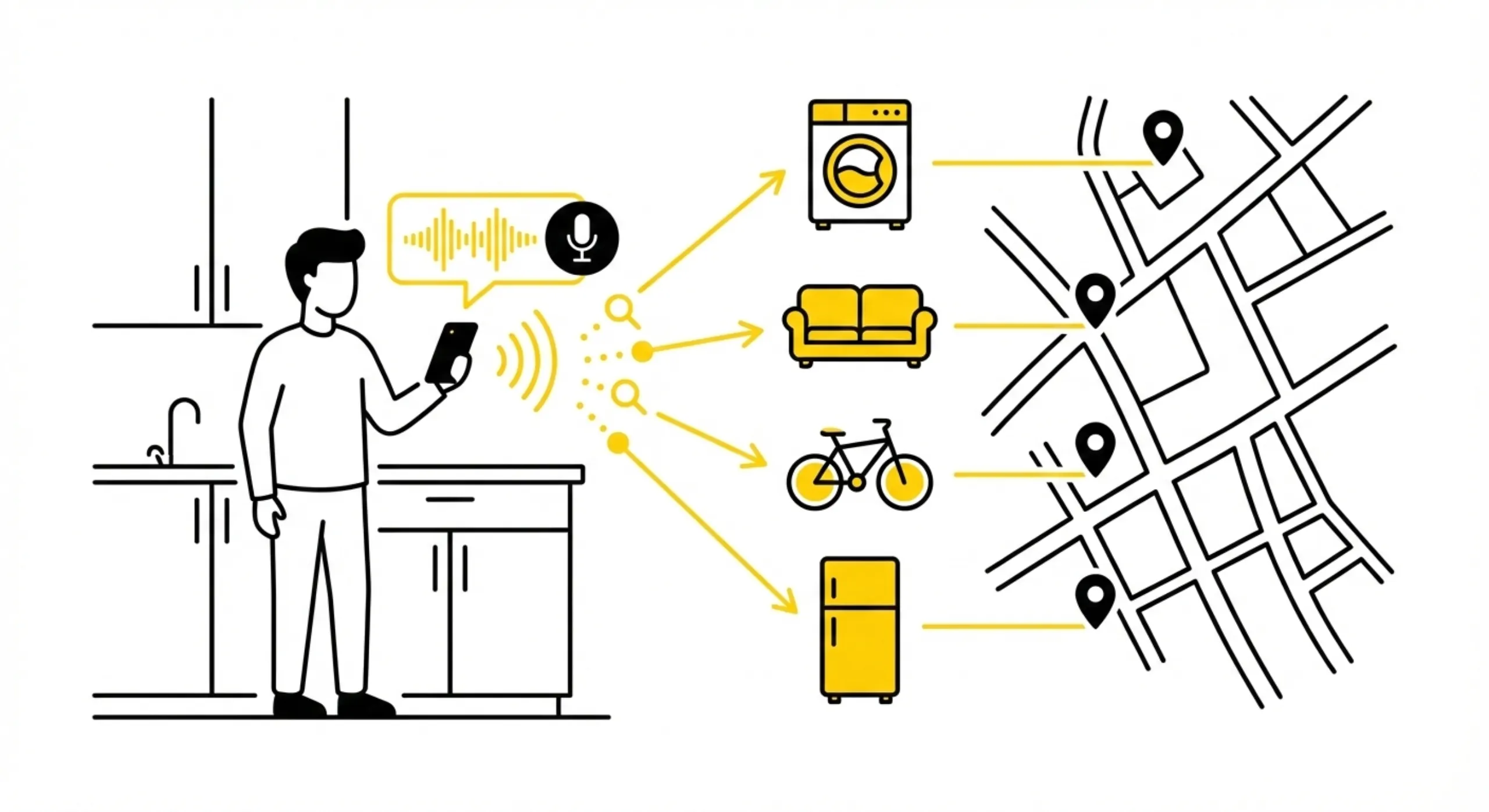
You find a listing for a used refrigerator on a large marketplace. The photos look fine. The price seems reasonable. You message the seller. They respond after two days with a one-line reply. You ask a follow-up question. Another day passes. There is no profile to look at. No sense of who this person is. No shared context, no mutual connections, no way to know if this is a genuine individual seller or someone running a side business from a warehouse. You proceed anyway because the platform gives you no better option and hope for the best. This experience is common on anonymous, large-scale marketplaces. And it is one of the main reasons people feel hesitant about buying or selling second-hand goods online in India. Community-based selling where local buyers and sellers transact within a shared geography and with a degree of social accountability works differently. Platforms like Sympl classifieds are built around this idea: that proximity and context make transactions more honest, more efficient, and less stressful.
The Core Problem: Anonymity Breeds Hesitation on Both Sides
Large national marketplaces are, by design, anonymous. A seller in one city has no real connection to a buyer in another. There is no shared neighbourhood, no common reference point, no social consequence to backing out of a deal or misrepresenting an item. This anonymity affects both sides of the transaction.
For Buyers
When you cannot verify who you are buying from, every decision carries doubt. Is the item actually in the condition described? Will the seller follow through after payment? If something goes wrong, is there any practical recourse?
These are not irrational fears. Buyers on large platforms regularly encounter listings where photos are misleading, where sellers stop responding after payment, or where the item that arrives is not what was agreed upon. For everyday buyers in India especially those trying low-cost buying for the first time this uncertainty is a genuine barrier.
For Sellers
Anonymity is equally frustrating on the selling side. Sellers deal with buyers who express interest and disappear, who negotiate aggressively with no intention of following through, or who raise disputes after a transaction that was entirely straightforward. When there is no shared context between buyer and seller, no neighbourhood in common, no mutual accountability either party can walk away from a deal with zero consequences. This makes the whole process feel unreliable.
The Result: Trust Deficit on Both Sides
On anonymous marketplaces, both buyers and sellers operate with a degree of caution that slows everything down. More messages, more verification attempts, more back-and-forth before anyone is comfortable enough to commit. Community-based selling reduces this friction not through technology features alone, but through the natural accountability that comes with local connection.
How Community-Based Selling Changes the Dynamic
When buyers and sellers share a location, the same city, the same area, even the same housing society the nature of the transaction changes in practical, meaningful ways.
Shared Geography Creates Natural Accountability
If a seller in your own neighbourhood misrepresents an item or backs out of a deal unfairly, there are real social consequences. They live nearby. They might be known through mutual contacts. Word travels in local communities in a way that it simply does not across an anonymous national platform. This does not mean every local seller is more honest. But the structure of community-based selling naturally filters for more genuine interactions. People are less likely to behave badly when they are not hidden behind distance.
In-Person Inspection Changes the Whole Equation
One of the biggest trust problems in online second-hand buying is that you cannot see the item before you pay. Community-based selling largely solves this. When the seller is local, meeting in person is easy. The buyer can inspect the item, ask questions, check for damage, test functionality and only then decide to pay. This single ability removes most of the risk that makes anonymous marketplace transactions feel uncertain.
Consider how this plays out with real items:
- Used phone: Buyer checks the screen, tests the camera, verifies the battery health, confirms the IMEI all before any money changes hands
- Second-hand bicycle: Buyer takes it for a short ride, checks the brakes and gears, confirms it is roadworthy
- Furniture: Buyer sees the actual dimensions, checks for damage not visible in photos, confirms it will fit their space
- Kitchen appliances: Buyer plugs in the mixer or microwave, confirms it works as described
Each of these inspections is only possible because the transaction is local. On an anonymous pan-India marketplace, none of this is available to the buyer.
Local Sellers Are Usually Individual Sellers
Community-based classifieds attract a different kind of seller than national platforms. Because the visibility is local and the transaction is direct, there is less commercial incentive for bulk resellers and dealers to dominate the listings.
What you find instead are individuals families clearing out a room, students selling items before moving, professionals offloading things they no longer need. These are people selling one or two items at a time, with honest reasons for selling and fair expectations on price. This is what Sympl classifieds reflects in practice: a marketplace of real people, not a catalogue of dealer inventory dressed up as individual listings.
Practical Benefits of Community-Based Buying and Selling
Faster Responses, Shorter Transaction Cycles
Local sellers have more incentive to respond quickly. Their buyer pool is geographically limited, so each genuine enquiry matters more to them. You are less likely to send a message and wait three days for a reply. When both sides are motivated and nearby, deals tend to move quickly from first message to handover, often within a day or two.
Negotiation Feels More Human
On anonymous marketplaces, price negotiation often feels like combat. Buyers make extreme low offers. Sellers respond defensively. Neither side trusts the other’s position. In community-based selling, negotiation is more grounded. Both parties understand the local second-hand market. They are not trying to exploit each other, they are just trying to reach a fair number. The conversation is shorter and less adversarial.
Payment Is Simpler and Safer
Local transactions allow for direct, immediate payment cash, UPI, whatever both parties prefer. There is no need for the platform to handle payments, hold funds in escrow, or manage disputes. The seller gets paid when the buyer takes the item. That is as clean as a transaction gets. This also means there are no platform fees deducted from the sale, no payment gateway delays, and no risk of the platform holding funds for extended review periods.
Cost and Time Savings: The Practical Case for Local, Community Selling
No Shipping, No Packaging, No Delay
The cost savings from avoiding courier logistics are significant. For bulky items like furniture or appliances, shipping from another city can cost as much as the item itself. Even for smaller items, packaging materials, courier fees, and the time spent arranging pickups add up. Local transactions on Sympl classifieds eliminate this entirely. The buyer comes to the seller, or the seller drops off nearby. The saving is immediate and obvious.
Prices Reflect Real Value, Not Commercial Margins
Because community-based classifieds attract individual sellers rather than commercial resellers, prices are set based on what the seller personally paid and what they reasonably expect to recover. There is no business margin built in, no overhead to cover, no strategy to maximise profit per unit. For buyers, this means more honest pricing and more room for genuine negotiation. For sellers, it means they are competing fairly without being buried under dealer listings that undercut them on volume.
Time Is the Biggest Saving of All
Filtering through pan-India listings, waiting for responses from inactive sellers, managing shipping logistics, dealing with disputes about items that arrived in the wrong condition all of this consumes time that most people cannot afford to spend on a routine second-hand transaction.
Community-based buying and selling on Sympl streamlines the entire process. You find a local listing, reach out, meet, inspect, and close. The time from search to ownership is measured in hours or days, not weeks.
Who Benefits Most from Community-Based Classifieds
Students
Students are among the most active participants in second-hand markets buying affordable furniture, electronics, and study materials when they arrive in a new city, and selling the same when they leave. Community-based classifieds connect them with others in the same city or campus area, making these transactions fast, affordable, and low-risk.
Families
Families buying or selling household goods want the confidence of seeing an item in person before committing. They also want to transact with someone who feels accountable, not a faceless listing from another state. Local classifieds on Sympl provide both.
Working Professionals
Professionals relocating for work need to move quickly both in selling their old goods and setting up a new place. Community-based selling in their new or departing city connects them with active local buyers and sellers, helping them sell items fast and furnish a new home without overpaying.
First-Time Sellers and Buyers
For someone who has never sold online before, the idea of dealing with an anonymous stranger across the country can feel daunting. A local, community-based transaction where you can meet in person and handle everything face to face is a far more comfortable and accessible starting point.
Anyone Who Values Straightforward Transactions
Some people simply prefer to keep things direct. No platform intermediaries, no shipping negotiations, no waiting on dispute resolution teams. Just two people, a fair price, and a handshake. Community-based selling on Sympl classifieds is built for exactly this.
Conclusion
The difference between community-based selling and anonymous marketplace transactions is not about which platform has more listings or better filters. It is about the fundamental nature of the interaction. Anonymous marketplaces are efficient at scale but thin on trust. Community-based classifieds are built around the kind of local accountability that makes second-hand transactions feel safe, honest, and worth the effort. When you buy and sell locally through Sympl classifieds, you are not just accessing a platform. You are participating in a local exchange one where proximity creates context, context creates accountability, and accountability makes the whole thing work better for everyone involved. That is not a feature. That is just how good local trade has always worked.